




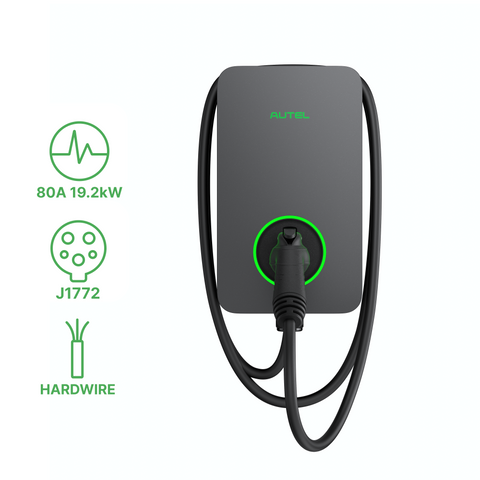
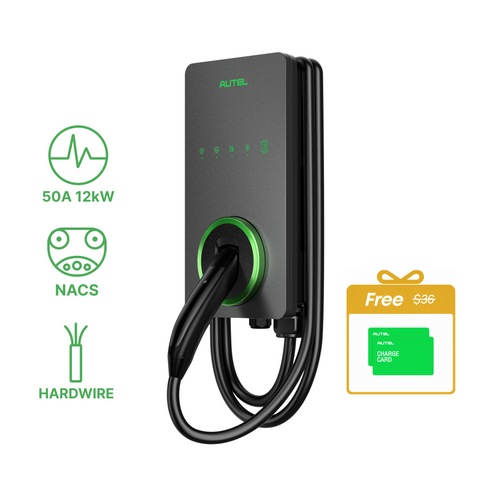
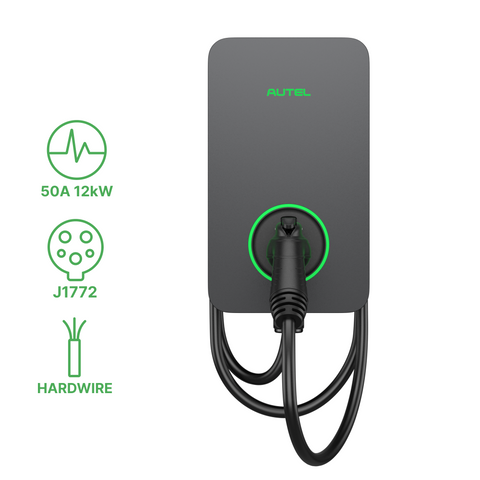
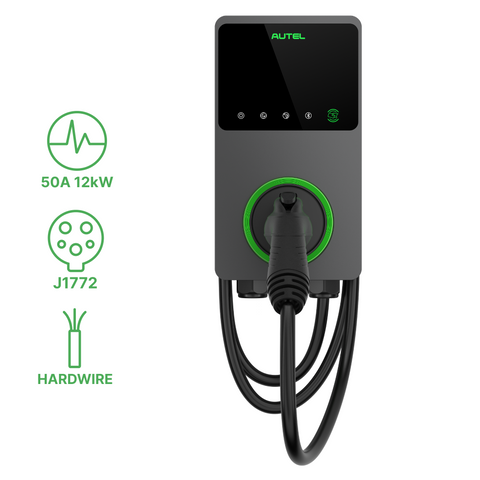
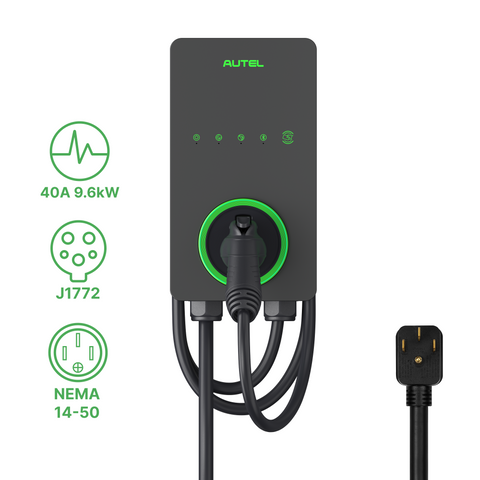

Summary: Plug-in NEMA 14-50 EV chargers offer easy portability for renters, but they max out at 40A and require costly GFCI breakers under current electrical codes. Hardwired EV chargers unlock faster 48A to 80A speeds, eliminate outlet overheating risks, and often cost less to install overall.
When buying a Level 2 home EV charger, one of the biggest decisions happens before the electrician even arrives: should you install a plug-in charger using a NEMA 14-50 outlet, or hardwire the charger directly into your electrical panel?
At first glance, plugging a charger into a wall outlet seems simpler and cheaper. In reality, modern electrical codes and safety requirements often make hardwiring the smarter, safer, and more cost-effective choice for homeowners. Here is how both options compare.
Hardwired vs Plug-In EV Charger: Side-by-Side Comparison
| Feature | Hardwired Level 2 Charger | Plug-In Level 2 Charger (NEMA 14-50) |
| Max Charging Current | Up to 80 Amps (19.2 kW) (48A–50A most common) | Max 40 Amps (9.6 kW) per NEC 80% rule |
| Range Added per Hour | Up to 46 miles/hr (at 50A) | Up to 37 miles/hr |
| GFCI Breaker Required? | No (charger has built-in GFCI protection) | Yes (required by NEC for 240V garage outlets) |
| Outlet Overheating Risk | None (direct wired terminal connection) | Higher if a cheap residential outlet is used |
| Portability | Semi-permanent (requires electrician to remove) | High (unplug and take it when you move) |
| Dynamic Load Management | Fully supported on smart load-managed units | Typically limited |
3 Key Differences Homeowners Need to Know
1. Charging Speed: 48A–80A vs 40A
Under the National Electrical Code (NEC) 80% continuous load rule, a standard 50-amp NEMA 14-50 receptacle can only deliver a maximum of 40 amps (9.6 kW) continuously to an EV charger.
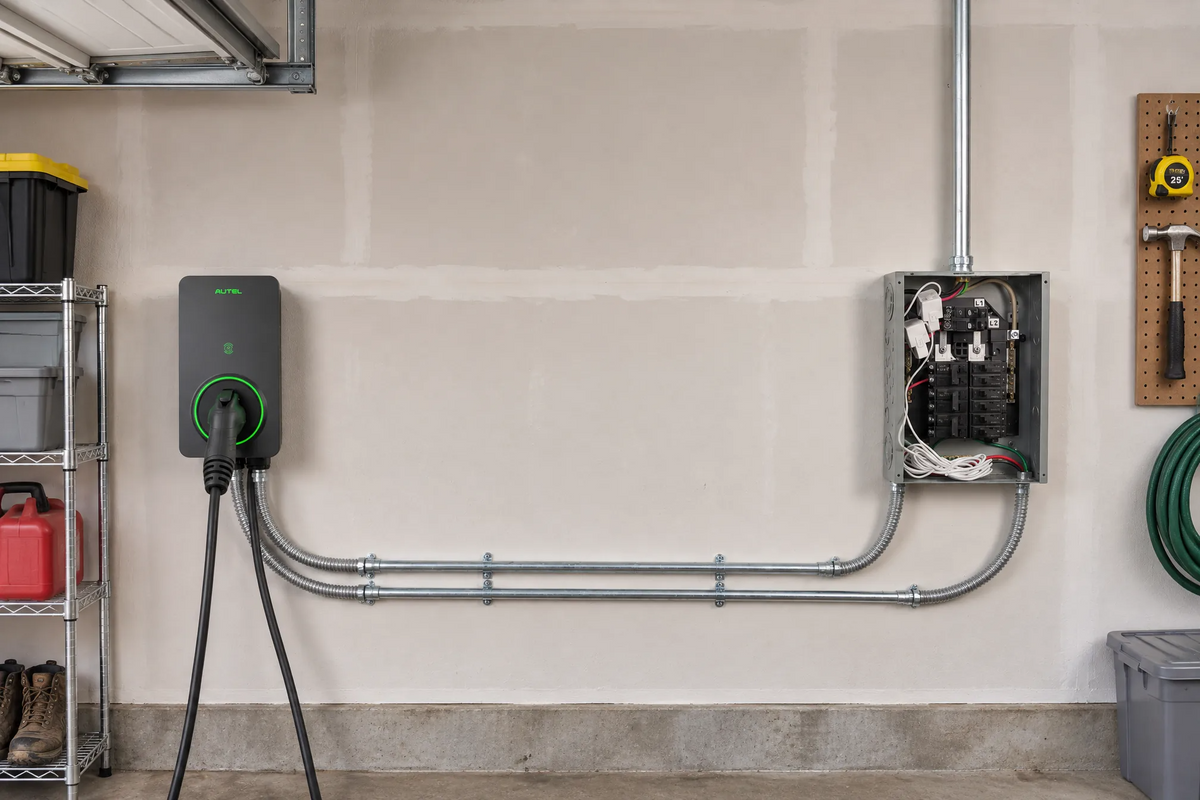
If you want to unlock 48A, 50A (12 kW), or even 80A (19.2 kW) charging speeds, the charger must be hardwired to a dedicated 60A, 70A, or 100A breaker. For most EVs, a hardwired 50A unit hits the sweet spot—adding up to 46 miles of range per hour.
2. The Hidden Installation Cost of Plug-In Chargers
Many homeowners assume a plug-in setup is cheaper, only to be surprised by the electrician's invoice. Under NEC 2020/2023 rules, installing a 240V NEMA 14-50 outlet in a garage requires:
-
A GFCI 2-pole breaker (which typically costs $120 to $180 more than a standard breaker and can sometimes cause nuisance tripping with EV chargers).
-
An EV-rated industrial-grade receptacle (such as a Hubbell or Bryant outlet costing $60 to $90), because standard $15 dryer/range outlets are not built for hours of continuous 40A EV charging and can melt over time.
When you hardwire a Level 2 charger directly, you skip both the industrial outlet and the expensive GFCI breaker—often making hardwired installation cheaper than installing a plug-in outlet.
3. Long-Term Safety and Reliability
Every plug-in connection introduces an extra mechanical contact point that can loosen or heat up over years of daily high-amperage charging. A hardwired connection eliminates the receptacle entirely, delivering the cleanest, safest electrical path—especially for outdoor installations exposed to rain, snow, and temperature swings.
Which Option Should You Choose?
-
Choose a Plug-In (NEMA 14-50) Charger if: You rent your home, already have a properly installed industrial-grade NEMA 14-50 outlet in your garage, or plan to move soon and want to take your charger with you in 30 seconds.
-
Choose a Hardwired Charger if: You own your home, want maximum 50A (12 kW) charging speed, are installing the charger outdoors, or have a capacity-constrained 100A or 150A electrical panel that benefits from Dynamic Load Management.
(Not sure if your breaker box has enough room? Read our guide: Can a 100A Panel Handle a 50A EV Charger Without an Upgrade?)
Ready to Install? Autel Has Both Options Covered
Whether you need a convenient NEMA 14-50 plug-in unit or a heavy-duty 50A hardwired station, Autel Energy builds UL-certified chargers designed for safe, reliable daily use.
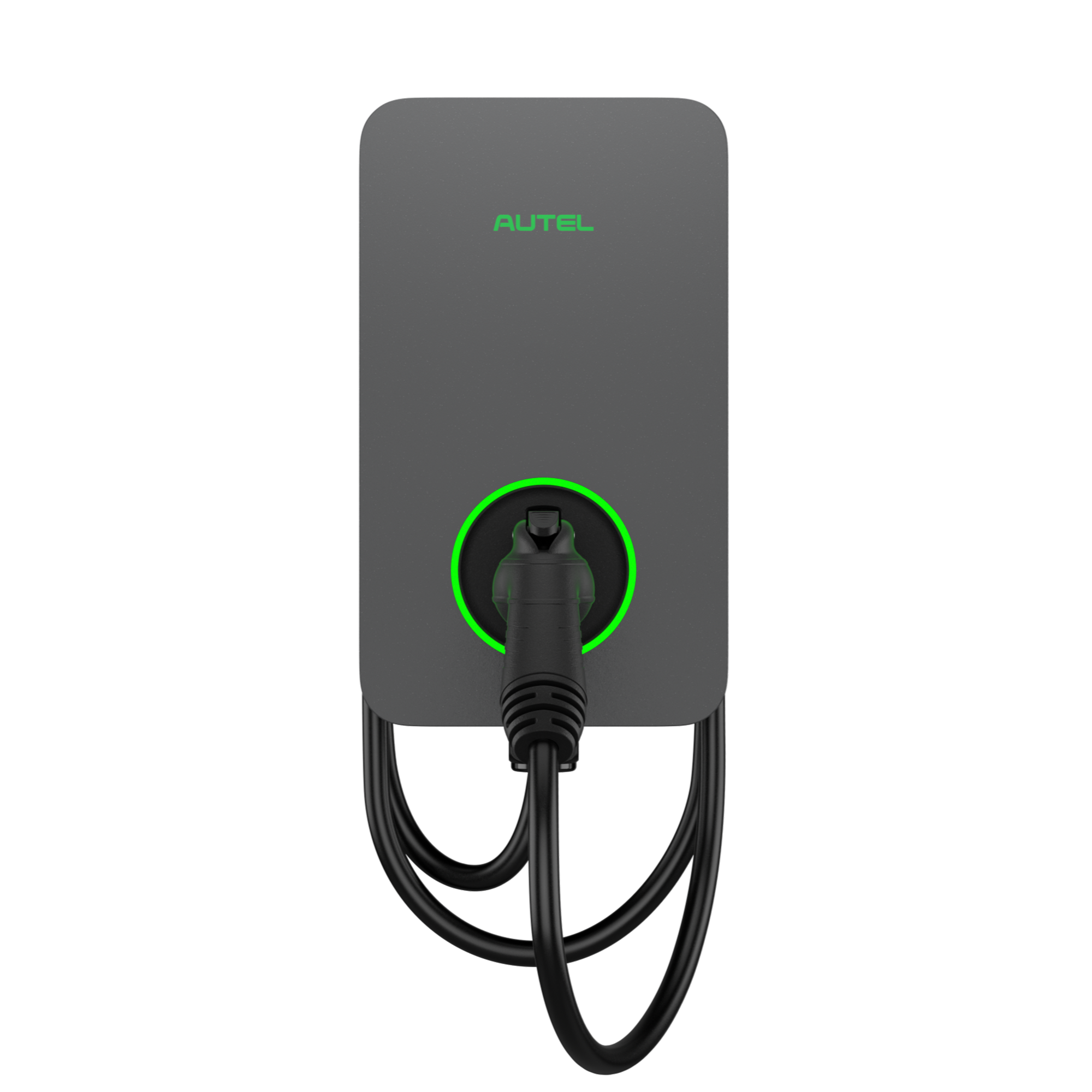
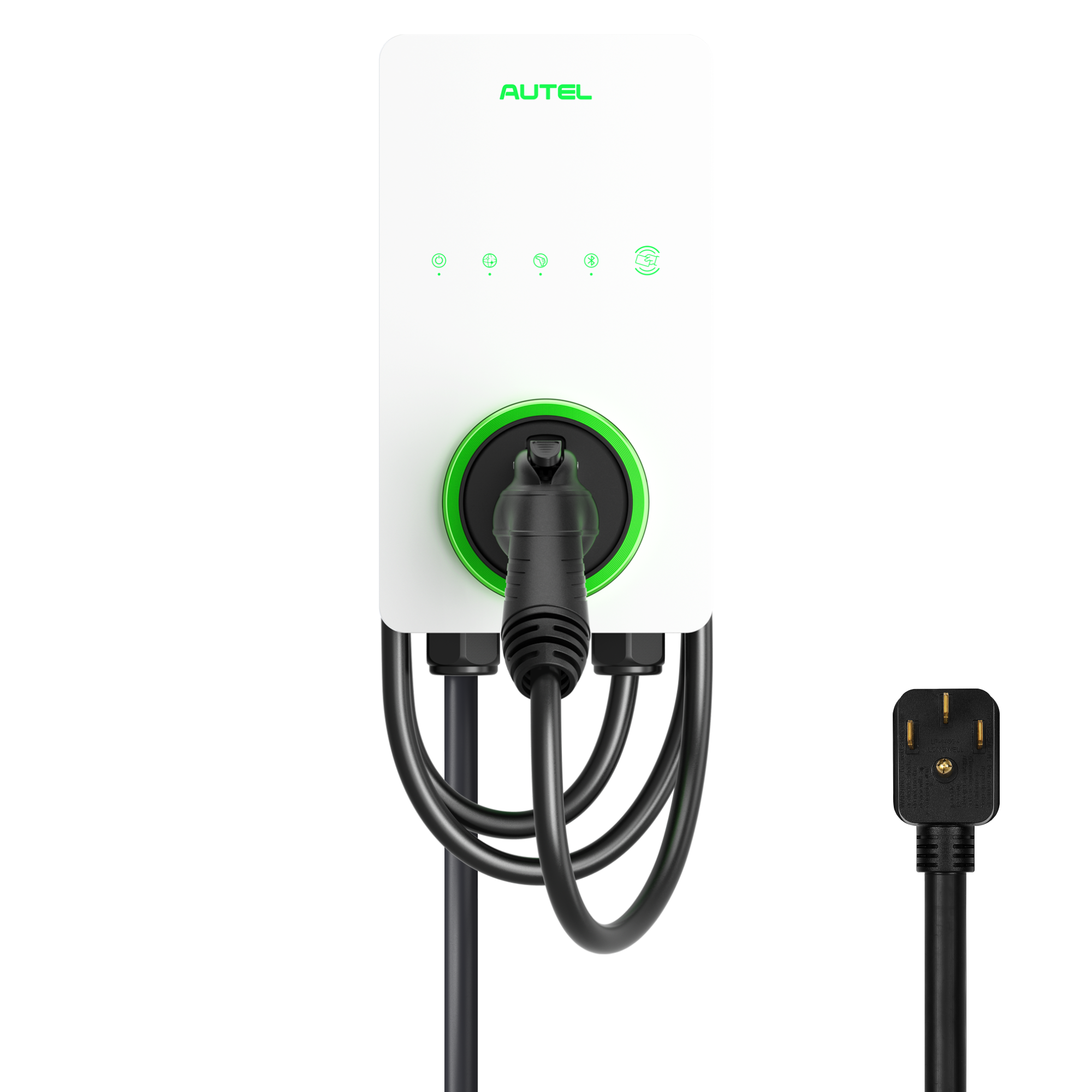
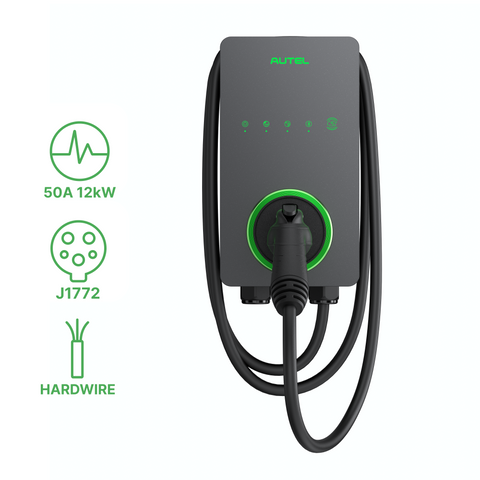
For homeowners looking for maximum speed without paying $3,000–$8,000 for a panel upgrade, the hardwired Autel Single CT Home EV Charger delivers 50A (12 kW) output, includes two wired CT sensors for automatic load balancing, supports RFID access control, and comes backed by a 5-year warranty.
👉 Compare All Autel Home EV Chargers to choose the right installation style for your home.