




Pairing solar panels with an electric vehicle is the ultimate dream for energy-conscious homeowners: driving on 100% sunshine and slashing both your gas and utility bills.
However, a standard Level 2 EV charger doesn't actually know when your solar panels are producing excess electricity. If you plug in your car during the day with a traditional charger, it simply pulls a fixed 40A or 50A current—drawing expensive power from the utility grid whenever clouds pass overhead or your air conditioner kicks on.
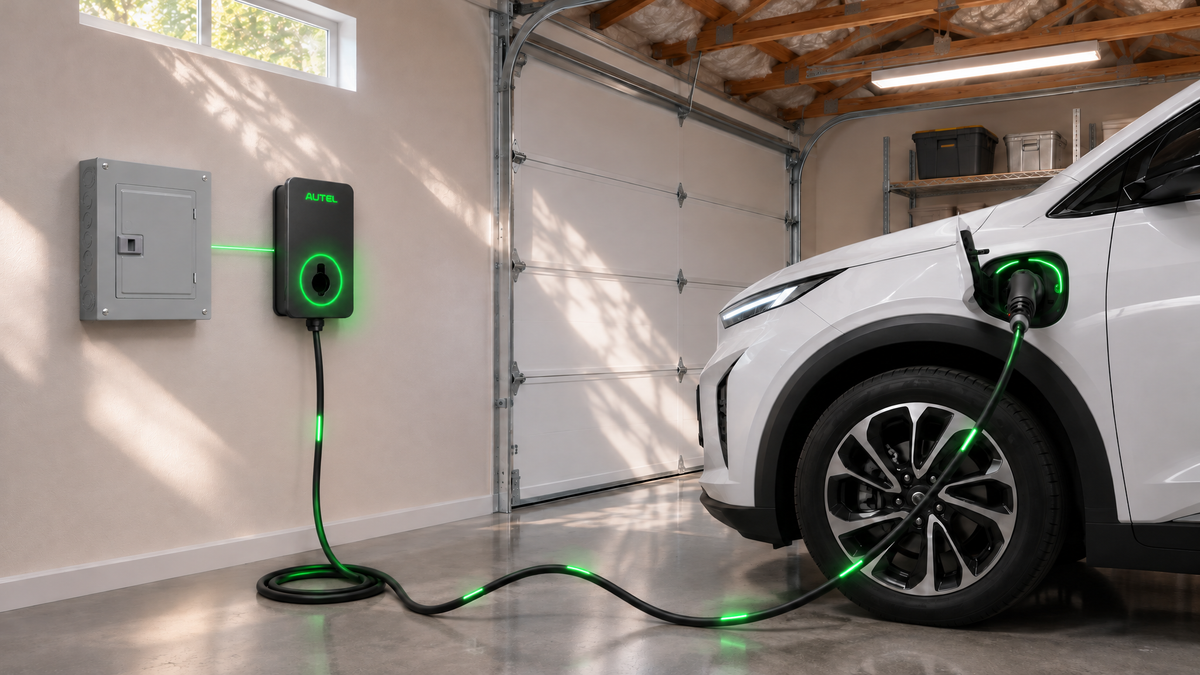
To turn your garage into a true home solar EV charging station, you need a smart charger that can measure real-time power flow at your main electrical panel. Here is how the new Autel Single CT Home EV Charger uses built-in wired CT sensors to unlock Solar Surplus Charging, prevent panel overloads, and automate off-peak electricity savings.
How Does Solar Surplus EV Charging Work?
Most solar-equipped homes don't want to buy a separate $300 external energy management hub just to sync their EV charger with their rooftop inverter.
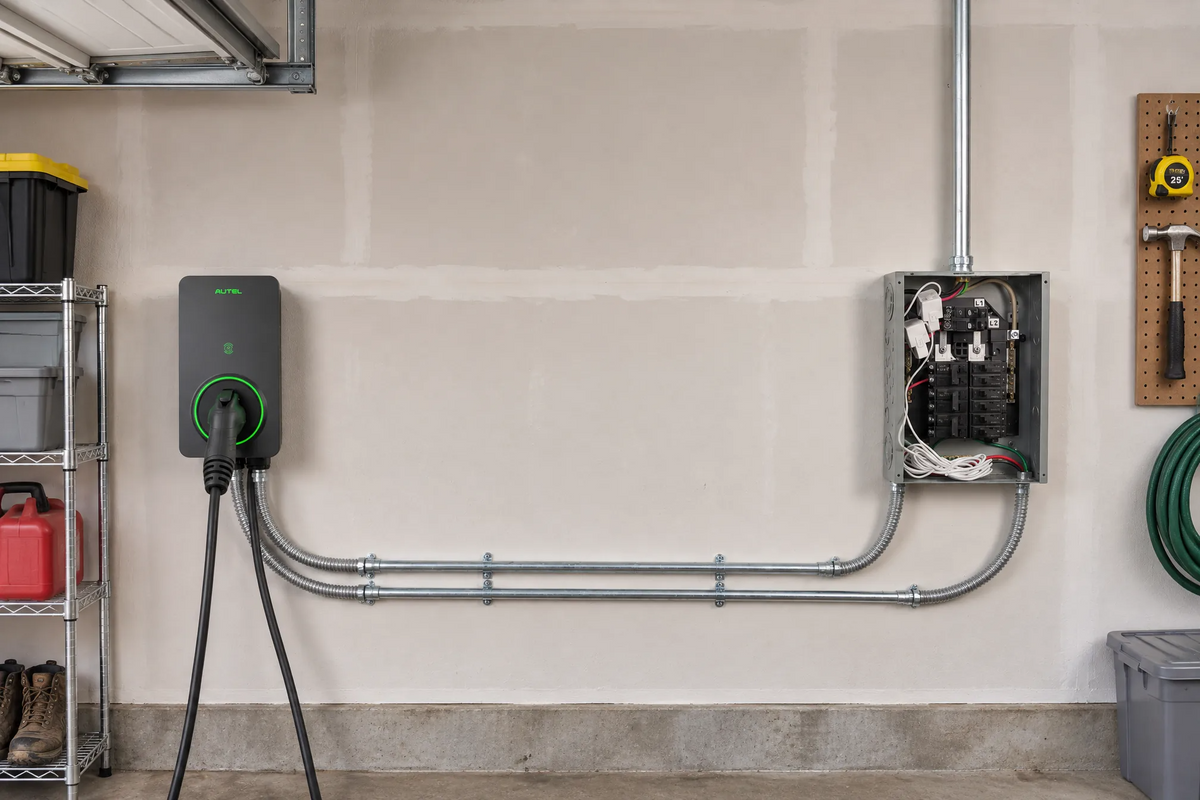
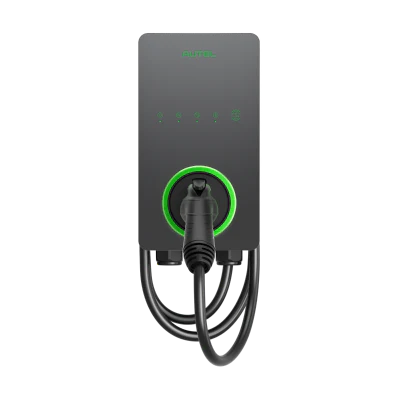
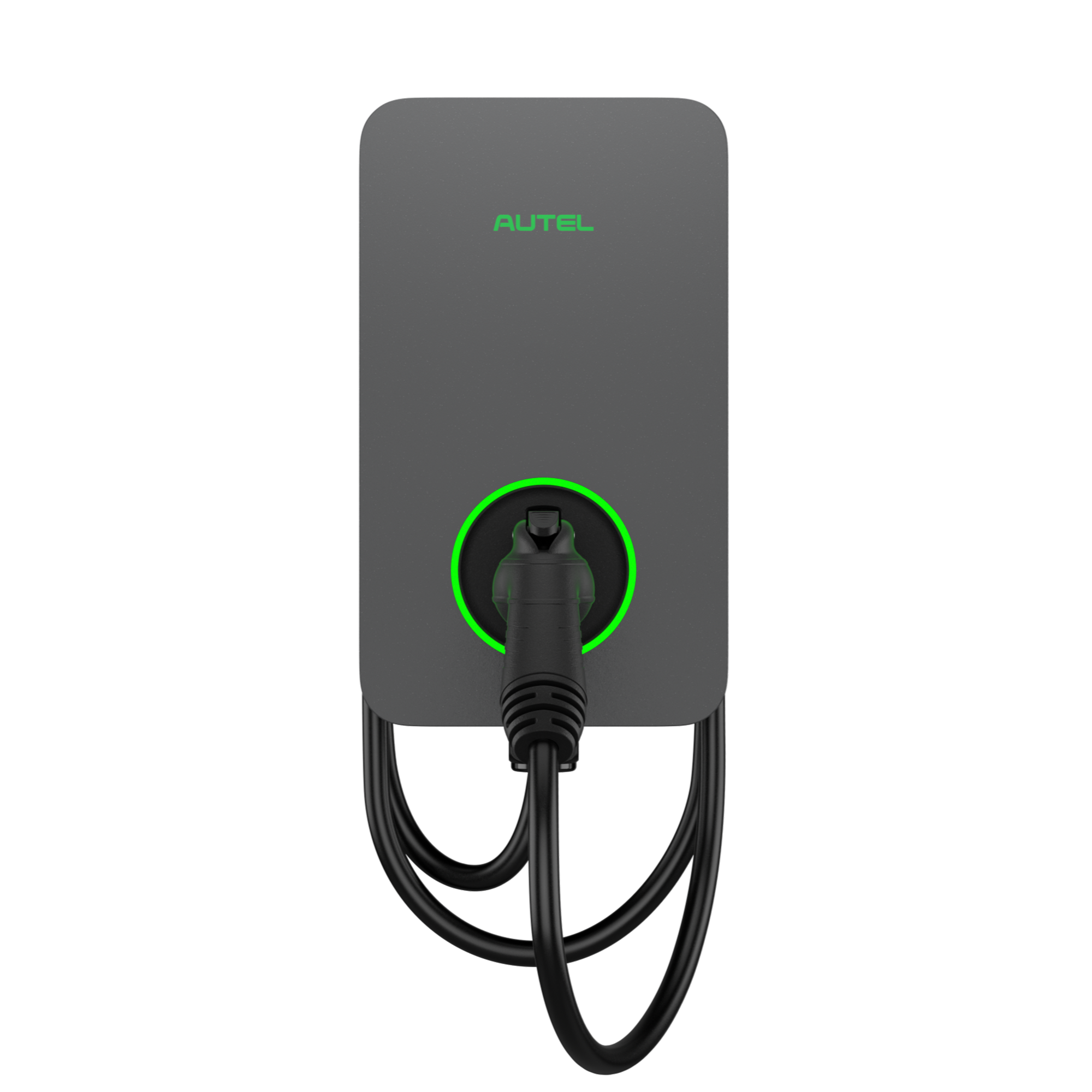
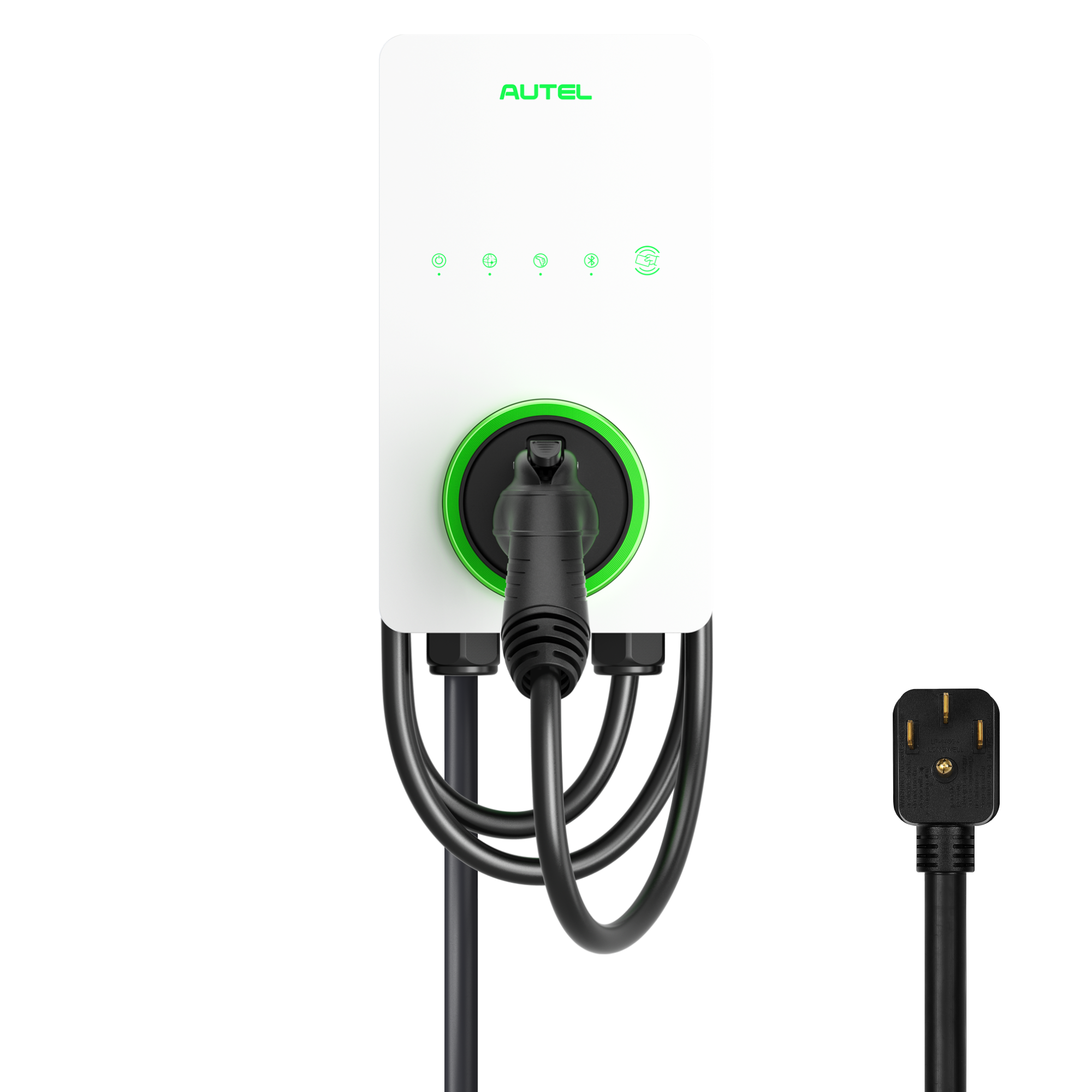
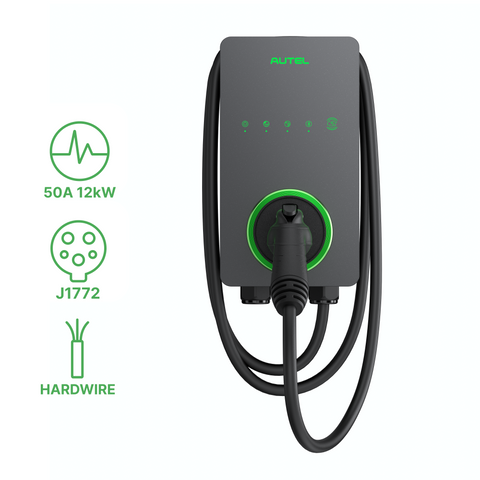
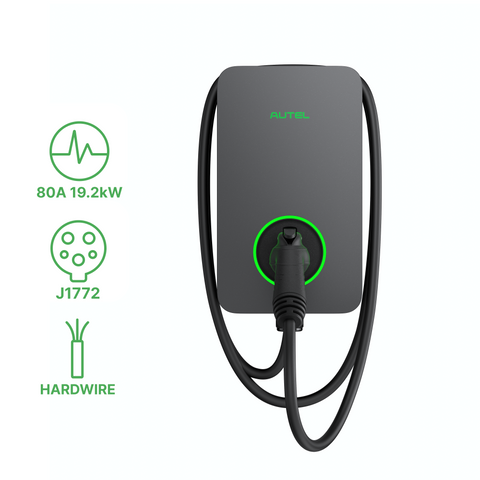
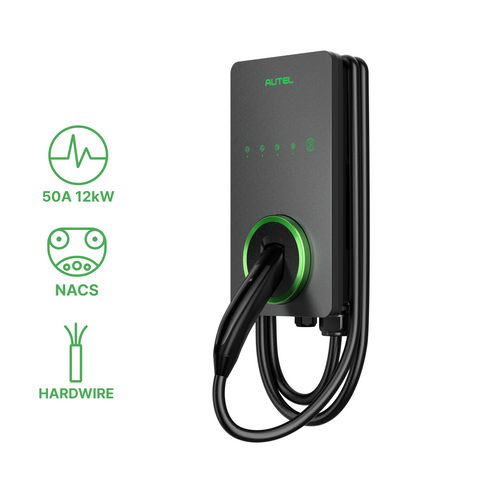
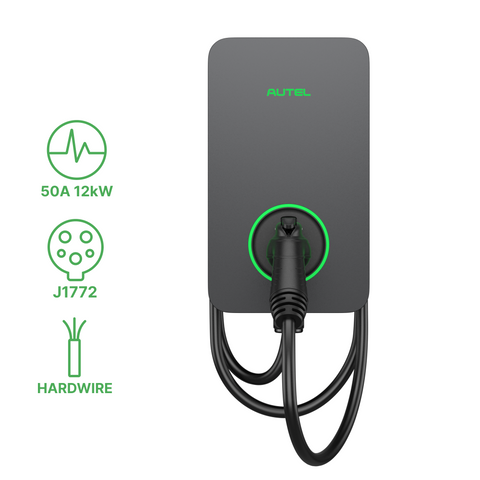
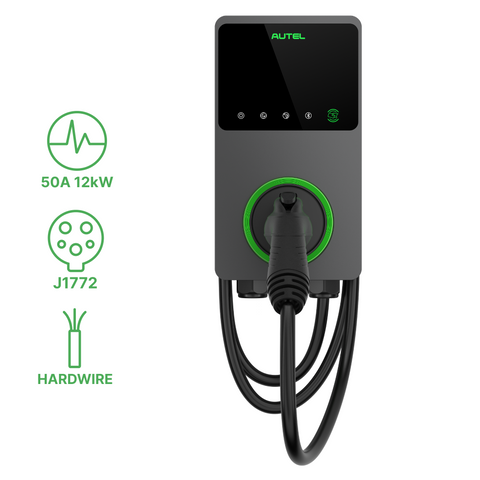
The Autel Single CT Home EV Charger (available in 50 amp NACS and 50 amp J1772 hardwired versions) solves this right out of the box by including two wired Current Transformer (CT) sensors that clamp directly onto your main electrical service conductors.
The 5-Step Smart Solar Charging Workflow
-
Solar Power Is Generated by Rooftop Panels: During sunny hours, your rooftop photovoltaic (PV) array converts sunlight into clean AC electricity for your home.
-
Solar Energy First Supports Household Loads: Your home's active appliances—such as refrigerators, lighting, HVAC, and home office equipment—use that solar electricity first.
-
Wired CT Sensors Monitor Real-Time Power Flow: The Autel Single CT Home EV Charger's two wired CT sensors continuously measure your home's total electrical load and detect when excess solar power is available.
-
Excess Available Power Is Routed to EV Charging: Instead of exporting all your extra solar power back to the utility grid for pennies on the dollar (under reduced Net Metering / NEM 3.0 export credits), Solar Surplus Charging directs that excess clean power straight into your EV battery.
-
Dynamic Load Adjustment Protects Your Panel: When household consumption rises or solar production dips, the Autel Single CT Home EV Charger automatically reduces charging power to keep total demand balanced and safely within your electrical panel's capacity.
Why Built-In Wired CT Sensors Beat Extra Energy Monitors
When comparing a solar EV charging station for home, hardware architecture matters. Many competing smart chargers require you to purchase a separate wireless energy meter that relies on your home Wi-Fi to talk to the charger.
With the Autel Single CT Home EV Charger, everything is integrated:
-
No Extra Energy Monitor Required: Built-in CT-based load management is included in the box—saving you hundreds of dollars on extra monitoring hardware.
-
Direct-Wired Signal Reliability: The included 5-meter (16.4 ft) CT signal cables wire directly to the charger (extendable up to 30 meters / 98 ft). You never have to worry about a separate wireless CT power supply or garage Wi-Fi dropouts interrupting your load management.
-
Avoid $3,000–$8,000 Panel Upgrades: Because about 50% of American single-family homes have a panel rating under 200A and 62% face panel capacity constraints, the same CT sensors that manage your solar charging also protect your main breaker from overloading—helping you avoid costly electrical service upgrades.
How to Save on Electricity Costs When Charging an EV at Night (Off-Peak TOU Scheduling)
What about cloudy winter days or nights when your solar panels aren't generating power? You can still dramatically lower your EV charging costs using the Autel Charge App.
Most electric utilities offer Time-of-Use (TOU) rate plans where electricity costs 50% to 70% less between midnight and 6:00 AM compared to late-afternoon peak hours (4:00 PM – 9:00 PM).
How to Calculate EV Charging Cost at Home
Calculating your home charging cost is simple:
$$\text{Cost per Charge} = \text{kWh Added} \times \text{Utility Rate per kWh}$$
For example, adding 50 kWh of energy (roughly 150–175 miles of driving range):
-
Peak Hours ($0.36/kWh): Costs $18.00 per session.
-
Off-Peak Hours ($0.12/kWh): Costs $6.00 per session.
-
Rooftop Solar Surplus ($0.00/kWh marginal cost): Costs $0.00 from the grid!
With the Autel Single CT Home EV Charger, you can set automated Scheduled Charging in the Autel Charge App so your vehicle only draws grid power during your utility's cheapest off-peak hours—while still delivering up to 50 amps / 12 kW (46 miles of range per hour) so your car is 100% ready by morning.
Compare Home EV Charging Modes on the Autel Single CT
|
Charging Mode
|
When to Use It
|
How the Autel Single CT Home EV Charger Operates
|
|
Solar Surplus Charging
|
Sunny daytime hours (compatible solar setups)
|
Prioritizes household loads first, then dynamically routes excess solar production into your EV.
|
|
Off-Peak Scheduled Charging
|
Overnight (Time-of-Use utility rate plans)
|
Waits until low-rate off-peak utility hours begin, then charges at up to 50A (12 kW).
|
|
Max Speed (Dynamic Load Balanced)
|
Anytime you need a fast turnaround
|
Delivers full 50A speed when panel capacity is available, and automatically scales back if heavy home appliances turn on.
|
Built for Long-Term Home Value and All-Weather Reliability
Adding a smart, solar-ready Level 2 charging station doesn't just cut your monthly energy bills—studies show that installing a permanent Level 2 EV charger can also increase your home's resale value.
The Autel Single CT Home EV Charger is built to last for years of daily use:
-
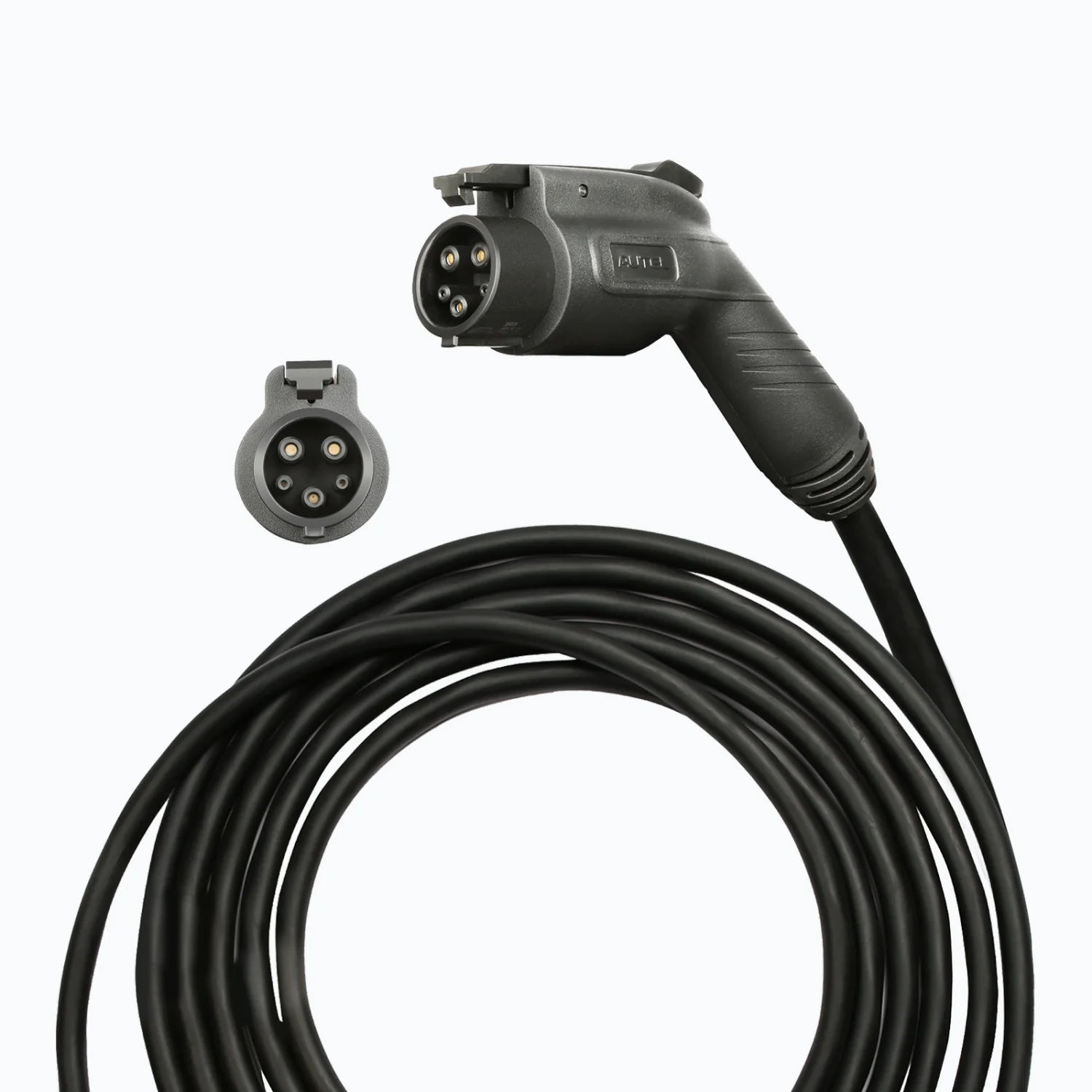
Native NACS & SAE J1772 Options: Choose native NACS for Tesla Models S/3/X/Y or J1772 for all other North American EVs.
-
4 Connectivity Modes & RFID Support: Connect via Wi-Fi, Bluetooth, RS-485, or Wired Ethernet, and secure your charger with RFID card access control.
-
Extreme-Weather Durability: Features a 25-foot (7.5 m) cold-flexible cable (-40°F / -40°C), full-chain temperature monitoring, 950°C glow-wire tested materials, UL/CSA & ENERGY STAR certifications, and an industry-leading 5-year warranty.
Turn Your Garage Into a Smart Solar EV Charging Station
Ready to charge smarter with solar surplus power, off-peak scheduling, and built-in dynamic load management—without paying thousands for a panel upgrade?
📖 *Read more in our series: Autel Single CT Home EV Charger Complete Review | Can a 100 Amp Panel Handle a 50A Level 2 EV Charger?