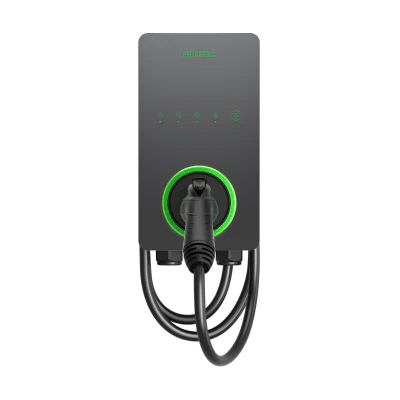





If you’re planning to install a Level 2 EV charger at home, one of the most common questions is whether there are EV charger rebates in Canada in 2026.
The answer is yes, but not everywhere.
Canada does not currently offer one universal nationwide rebate for all residential EV charger installations. Instead, home EV charger incentives mainly come from provincial, territorial, or utility programs. That means eligibility depends on where you live, what type of property you live in, and whether the program is still open when you apply. As of April 10, 2026, the clearest officially published residential charger incentives are in British Columbia and Québec. Yukon still allows claims for eligible chargers purchased on or before March 31, 2026, but its rebate program has ended for new purchases.
For homeowners, the smartest first step is not just choosing a charger. It is checking the latest official rebate rules in your province before you buy.
Federal programs: helpful context, but not a standard home charger rebate
At the federal level, Canada now offers the Electric Vehicle Affordability Program (EVAP), which helps eligible buyers and lessees of electric vehicles with incentives of up to C$5,000 for battery-electric and fuel-cell vehicles and up to C$2,500 for plug-in hybrid vehicles. However, that program applies to the vehicle, not to a standard home charger installed at a private residence.

British Columbia EV charger rebate in 2026
British Columbia remains one of the clearest and most accessible markets for a home EV charger rebate in Canada.
BC Hydro’s single-family home charger rebate page says eligible customers may receive up to 50% of the cost, to a maximum of C$350, for the purchase and installation of a charger at single-family homes, row homes, and duplexes. The 2026 program guide also states that eligible Indigenous participants may receive up to 75% of eligible costs, to a maximum of C$750.
For residential applicants, the B.C. program guide says the property must be in British Columbia, must be the applicant’s principal residence, and the application must be submitted within 6 months, or 180 days, of the EV charger invoice date.
BC Hydro also lists additional residential value beyond the base charger rebate. Customers who install an eligible EV power management device may receive an additional C$200 rebate. Eligible smart charger owners who enroll in Peak Saver can also receive a C$250 bill credit plus C$50 for every season they stay enrolled. BC Hydro also notes that some local governments may offer local rebate top-ups.
Official application entry for British Columbia
Québec EV charger rebate in 2026
Québec continues to be one of the strongest provinces for home EV charger incentives in Canada.
The Gouvernement du Québec states that EV owners may receive a C$600 grant for the purchase and installation of a home charging station. The same official page says the applicant must own an electric vehicle at the time of application, the charging station purchase cost must exceed C$600 before taxes, and proof of installation is required.
One of the most important 2026 changes is that Québec now requires a connected charging station for newer purchases. The official eligibility page says that from April 1, 2026, only connected charging stations will be eligible for financial assistance. Québec defines a connected charging station as one that can receive, send, and process remote commands using a mobile app or web application.
Québec’s official eligibility page also states that home charging stations must be on the official list of eligible charging stations.
Official application entry for Quebec
Yukon EV charger rebate in 2026
Yukon’s rebate is no longer open for new purchases, but it still matters for some customers in 2026.
Yukon’s official page says the offer was available until March 31, 2026 and that rebates are only available for chargers purchased before April 1, 2026. The same page also says receipts and invoices must be dated within 1 year of submitting the rebate application.
For homeowners, Yukon’s official page says qualifying Level 2 EV charger rebates cover eligible costs for chargers with a power supply between 208 and 240 volts, with Wi-Fi capability, purchased before April 1, 2026, and meeting accepted Canadian certification standards.
Official application entry for Yukon
What Canadian homeowners should check before buying a charger
The biggest mistake is assuming that every province follows the same rules.
In reality, each region can have different requirements for rebate amount, application deadlines, eligible charger types, supporting documents, electrician requirements, and smart charger or connectivity rules.
For example, British Columbia requires the application to be submitted within 180 days of the charger invoice date. Québec now requires connected chargers from April 1, 2026 onward. Yukon only allows claims for chargers purchased on or before March 31, 2026, with application timing tied to invoice dates.
That is why it is always best to verify the latest official rebate page before placing an order or booking installation.
Quick summary: Canada EV charger rebates in 2026
British Columbia
Active residential rebate. Eligible residents may receive up to 50% of eligible costs, max C$350, with higher support for eligible Indigenous participants and additional utility add-ons in some cases.
Québec
Active residential rebate under Écorecharge. Eligible EV owners may receive C$600 for a home charging station, and connected charger requirements apply from April 1, 2026 onward.
Yukon
Program ended for new purchases after March 31, 2026, but eligible earlier purchases may still be claimable within the stated application window.
Final takeaway
If you’re looking for the most accurate answer to whether there are Canada EV charger rebates in 2026, the answer is yes, but only in certain regions and under specific conditions. As of April 10, 2026, the strongest officially published homeowner incentives are in British Columbia and Québec, while Yukon only remains relevant for eligible pre-deadline purchases.
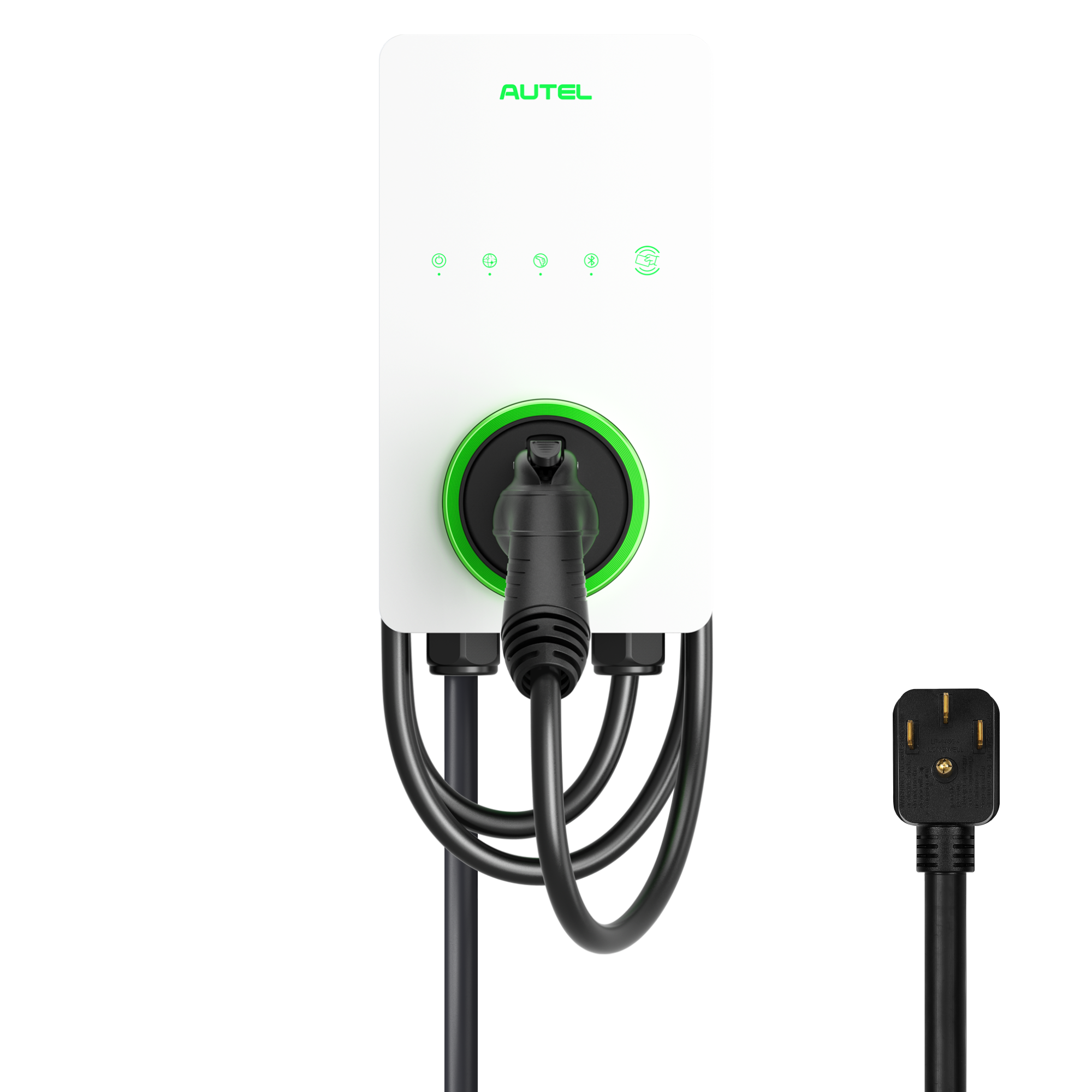
If you’re shopping for a smart Level 2 charger, always check the current official program page before buying, especially in provinces where connectivity, certification, invoice timing, or installation documentation can directly affect whether your rebate is approved.
Autel Product Disclaimer
Autel provides this article for general informational purposes only. Rebate eligibility depends on the applicant’s province or territory, utility, property type, installation method, invoice date, product eligibility, and supporting documentation. Customers should always verify the latest official program requirements before purchase, installation, or application. Official requirements such as application timing, charger connectivity, certification, and proof-of-installation rules can directly affect approval. Policy details, funding availability, technical requirements, eligible products, and application procedures may change at any time. Please refer to the latest official government or utility program pages for the most current information.
FAQ
Is there a nationwide home EV charger rebate in Canada in 2026?
No. Canada does not currently offer one universal home charger rebate for all homeowners. Residential charger incentives mainly come from provincial, territorial, or utility programs.
Is there a federal EV charger rebate for homeowners?
Not as a standard detached-home rebate. The federal EVAP supports eligible electric vehicle purchases and leases, not a general home charger installation rebate.
How much is the B.C. home EV charger rebate?
BC Hydro says eligible customers may receive up to 50% of the cost, to a maximum of C$350 for the purchase and installation of a charger, and the 2026 guide lists a higher Indigenous rebate path of up to C$750.
How much is the Québec home EV charger rebate?
Québec’s official Écorecharge program provides C$600 for the purchase and installation of an eligible home charging station.
Does Québec require a smart charger in 2026?
Yes. From April 1, 2026, only connected charging stations are eligible for financial assistance.
Can Yukon customers still apply in 2026?
Yes, but only for qualifying chargers purchased on or before March 31, 2026, and subject to the official application timing rules.
What documents do customers usually need when applying?
Requirements vary by program, but official pages indicate customers may need items such as charger invoices, proof of payment, and installation-related documentation.
Where can customers apply?
British Columbia provides an Apply now entry on the BC Hydro rebate page, Québec provides a How to apply section on its official Écorecharge page, and Yukon provides an online Apply for your rebate entry on its official rebate page.