





Summary: Both NACS (J3400) and SAE J1772 Level 2 home chargers support identical AC charging speeds—up to 80A (19.2 kW) under the standard, with 40A to 50A being the most common choice for home garages. Your choice comes down to the EVs parked in your garage today and what you plan to drive next. Here is how to compare both connectors and pick the best setup for your home.
If you are shopping for a Level 2 home EV charger, you have likely run into a common crossroads: should you buy a charger with a native NACS connector or a traditional SAE J1772 connector?
With Tesla opening its North American Charging Standard (NACS) and major automakers—including Ford, Rivian, GM, Hyundai, Kia, and Honda—transitioning new models to NACS ports, the home charging landscape is shifting fast. At the same time, millions of J1772 electric vehicles and plug-in hybrids remain on the road.
Here is a clear, practical breakdown of NACS vs J1772 so you can buy the right home charger once and avoid unnecessary adapter headaches.
NACS vs J1772: Quick Comparison
For home Level 2 AC charging, the electrical power flowing into your car is the same. The real differences are physical design, native compatibility, and future-proofing.
| Feature | NACS (SAE J3400) | SAE J1772 |
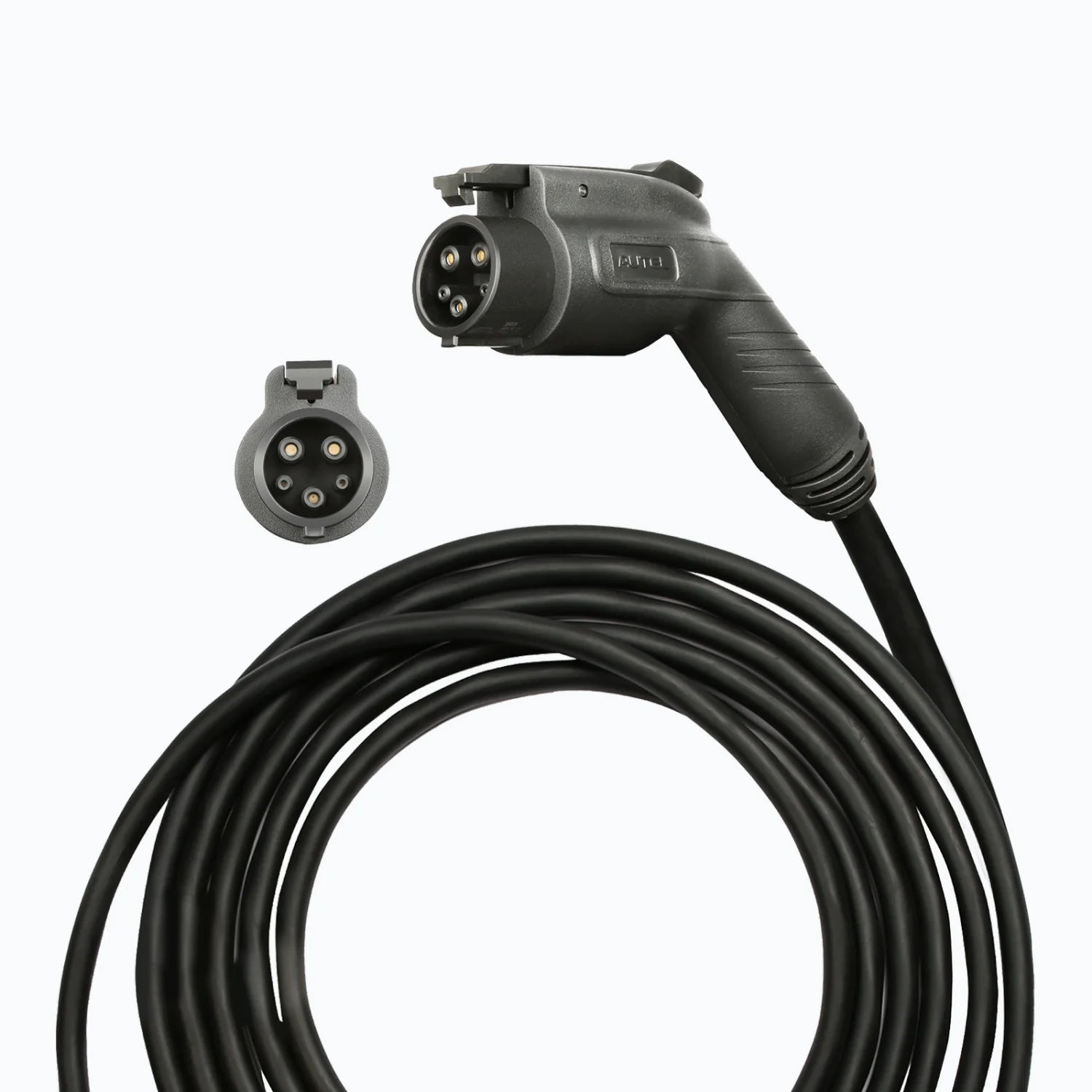
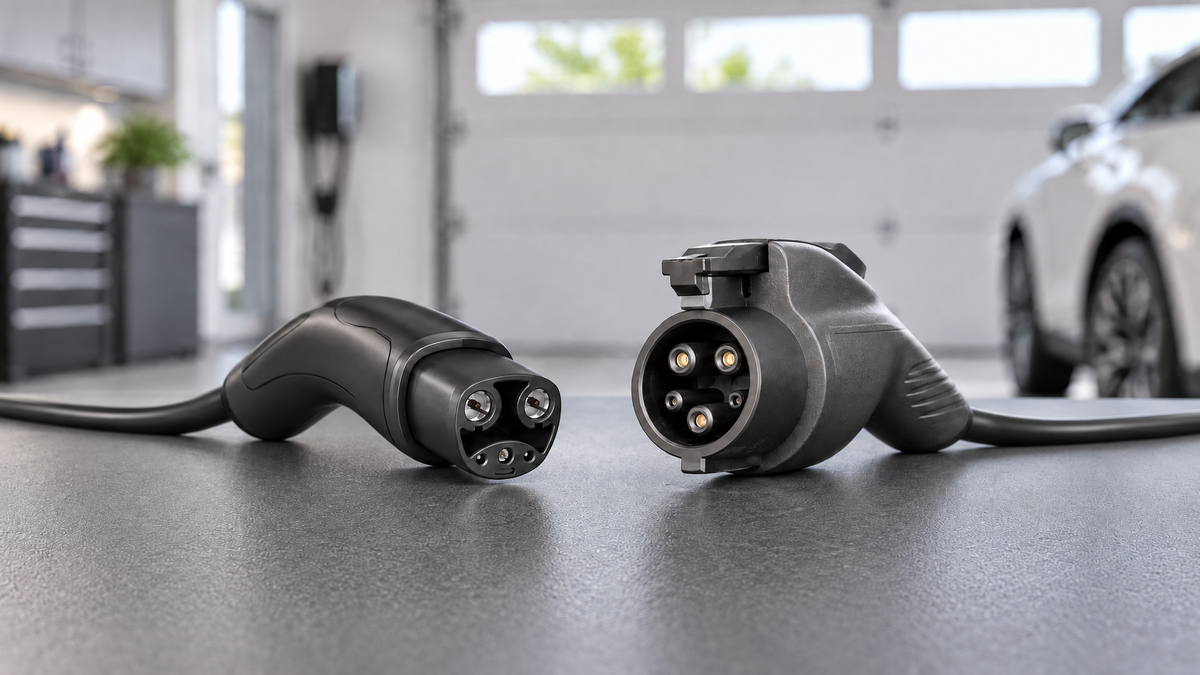
| Connector Size & Weight | Slim, lightweight, single-hand plug-in | Larger, slightly bulkier round handle |
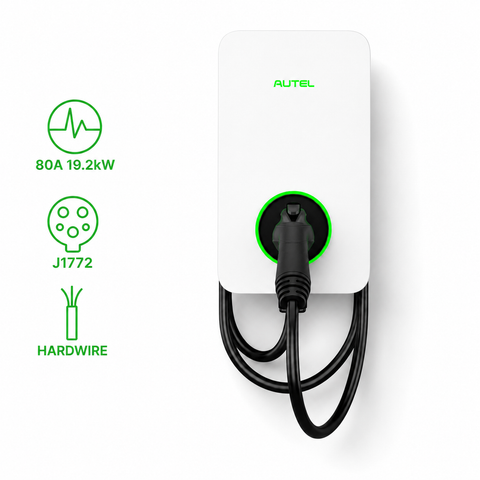
| Max Home Level 2 Output | Up to 80 Amps (19.2 kW) on 240V AC (40A–50A most common) | Up to 80 Amps (19.2 kW) on 240V AC (40A–50A most common) |
| Native Vehicle Compatibility | All Tesla models + new 2025/2026+ NACS EVs | Most non-Tesla EVs & plug-in hybrids (2010–2025) |
| Charging Port Button | Built-in button opens Tesla charge port door | Manual charge port door release |
| Adapter Needed? | Requires NACS-to-J1772 adapter for J1772 cars | Requires J1772-to-NACS adapter for Tesla/NACS cars |
Does Connector Type Affect Home Charging Speed?
No. A common myth is that NACS chargers are automatically faster at home than J1772 chargers.
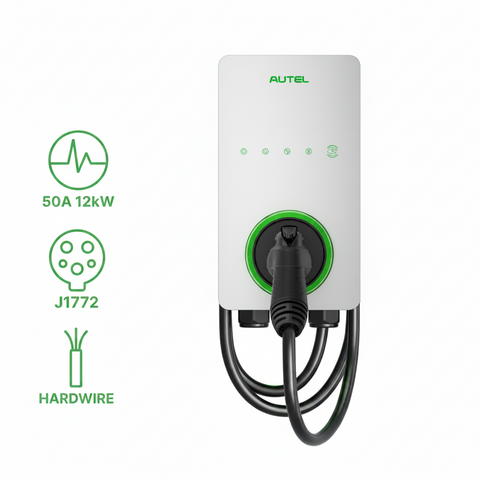
While NACS supports both AC and ultra-fast DC charging through the same compact plug on public road trips, Level 2 home charging runs strictly on 240V AC power. Whether you install a 50 amp NACS charger or a 50 amp J1772 charger, both deliver up to 12 kW—adding roughly 46 miles of range per hour to compatible vehicles.
Your actual home charging speed is determined by three things:
-
Your charger's amperage rating (e.g., 40A, 48A, or 50A).
-
Your home's electrical panel capacity and breaker size.
-
Your EV's onboard AC charger limit.
How to Choose the Right Connector for Your Garage
Choosing between NACS and J1772 is straightforward when you match the charger to your household's driving habits:
1. Choose a Native NACS Charger If:
-
You currently drive a Tesla or a newer NACS-equipped EV.
-
You want the sleekest, lightest handle with zero adapters needed for daily plug-ins.
-
You plan to upgrade to a NACS-compatible EV in the next 1 to 2 years and want your garage future-proofed now.
2. Choose a Native J1772 Charger If:
-
You currently drive a J1772 EV or plug-in hybrid (such as a Chevy Bolt, Ford Mustang Mach-E, Rivian R1S/R1T, Hyundai Ioniq 5, or Jeep Wrangler 4xe) and plan to keep it for several years.
-
You want universal compatibility for visiting friends or family who drive J1772 vehicles.
3. What If You Own Both a Tesla and a J1772 EV?
If your garage has a mixed fleet, buy the native connector for the car you plug in most often, and keep a UL-listed adapter on hand for the second car. Most Tesla owners already receive a compact J1772-to-NACS adapter with their vehicle, making a native J1772 charger an easy plug-and-play choice—while NACS-to-J1772 adapters are widely available if you prefer a native NACS wall unit.
Native NACS and J1772 Options Built for Any Home Panel
Whether you choose NACS or J1772, you shouldn't have to sacrifice charging speed, cold-weather durability, or electrical panel safety.
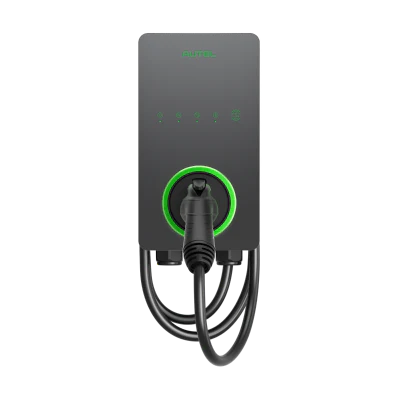
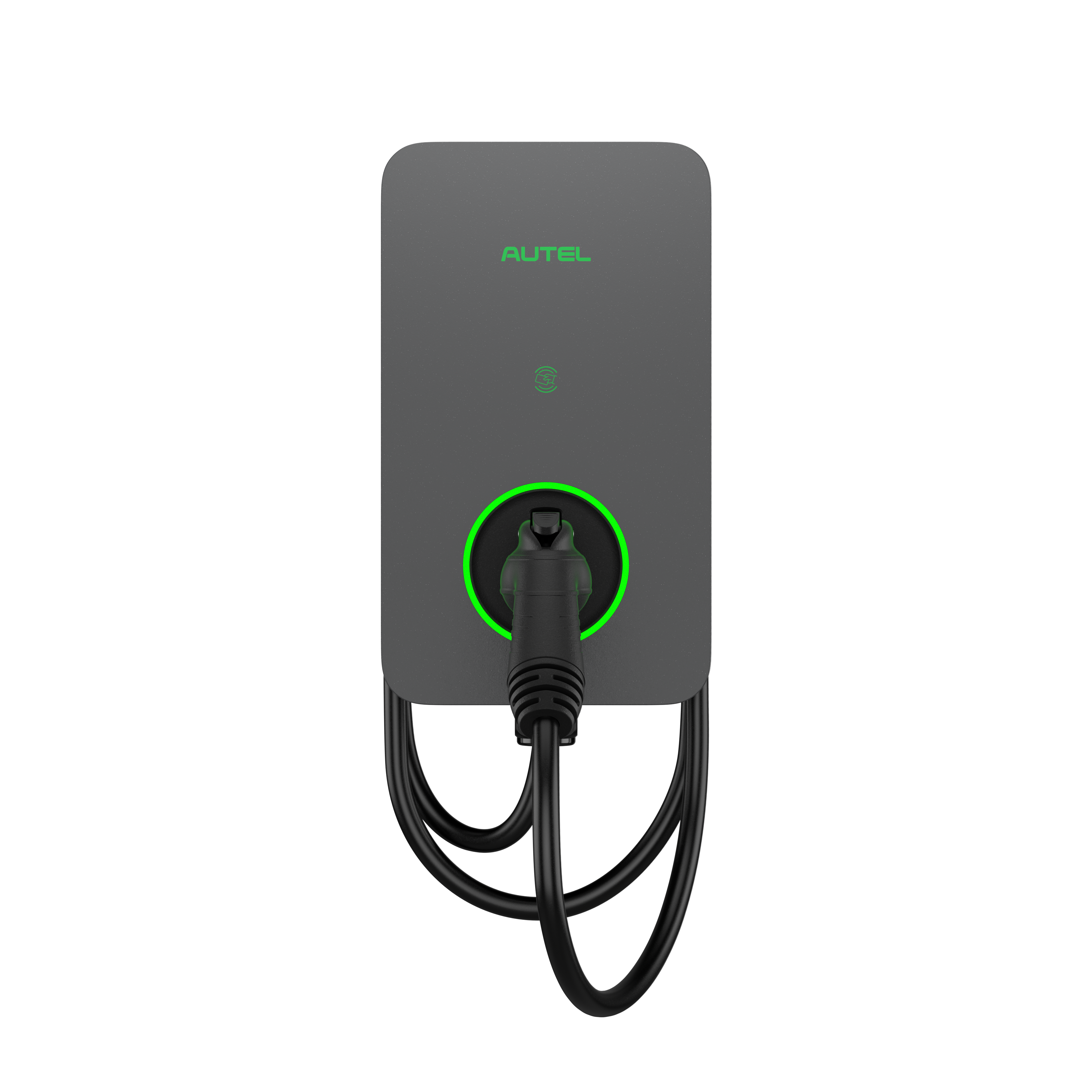
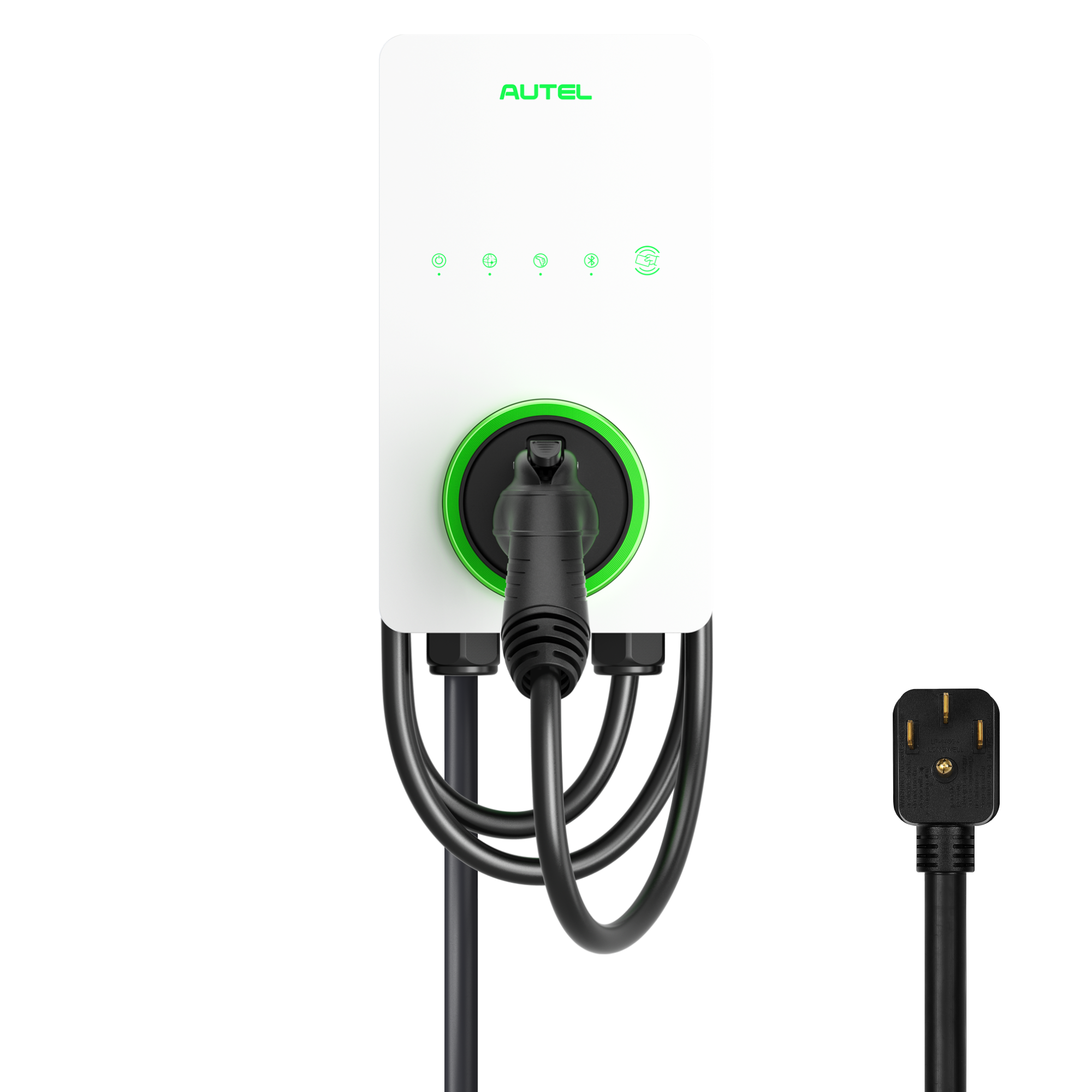
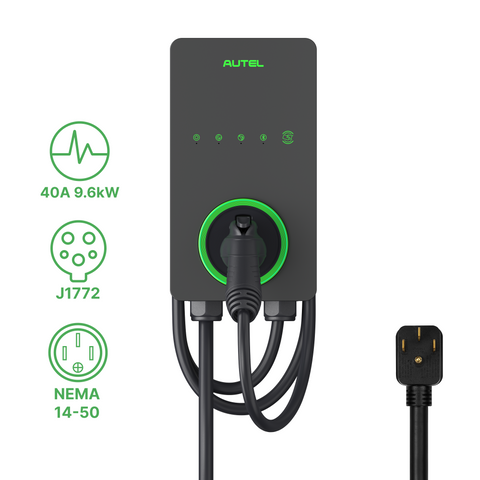
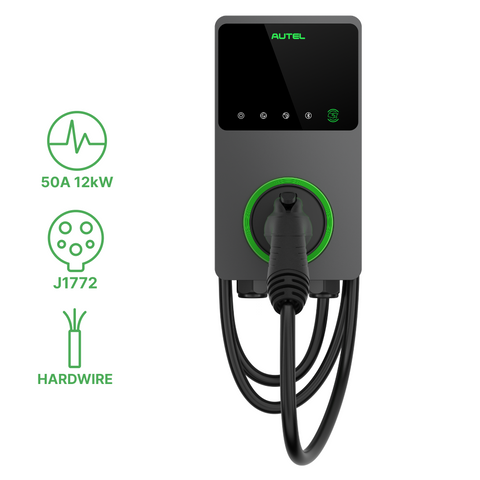
Autel Energy offers both native NACS and SAE J1772 versions across its home charging lineup—including the new Autel Single CT Home EV Charger. With up to 50A (12 kW) output, two wired CT sensors for automatic Dynamic Load Management, RFID access support, a 25-foot
-40°F flexible cable, and a 5-year warranty, it adapts to your home's existing breaker panel without a costly service upgrade.👉 Explore Autel NACS & J1772 Home EV Chargers to find the exact fit for your garage.