





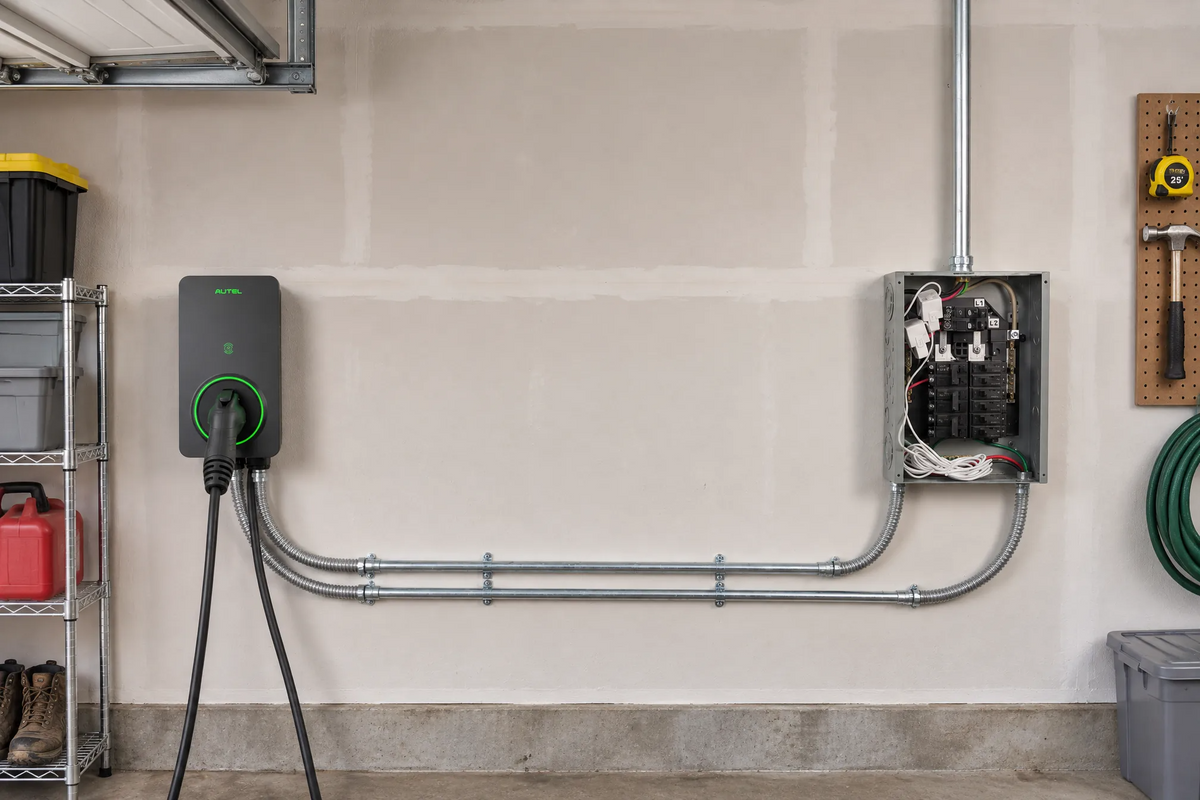
One of the most frequent questions homeowners ask before buying an electric car is: “Can my electrical panel handle a Level 2 EV charger—or can my house handle a 50 amp charger on a 100 amp panel?”
If you live in an older home or a townhome with electric appliances, there is a strong chance your main breaker box is rated for 100 amps or 150 amps. In fact, national data reveals that about 50% of American single-family homes have a panel rating lower than 200A, and 62% of homes have capacity constraints in their service panels.
Until recently, installing a high-speed 48 amp or 50 amp hardwired Level 2 charger on a 100A panel meant paying $3,000 to $8,000 for a main electrical service upgrade.
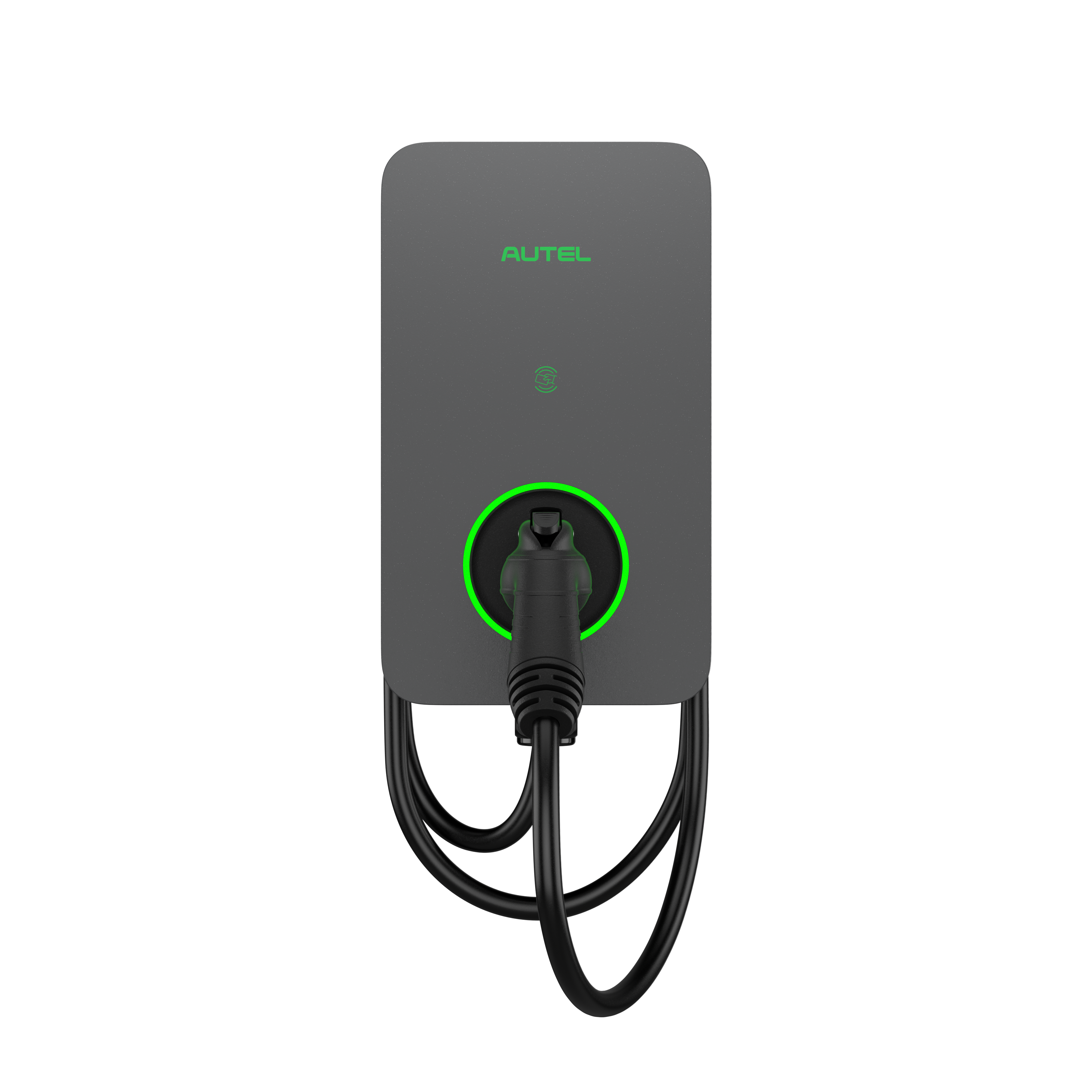
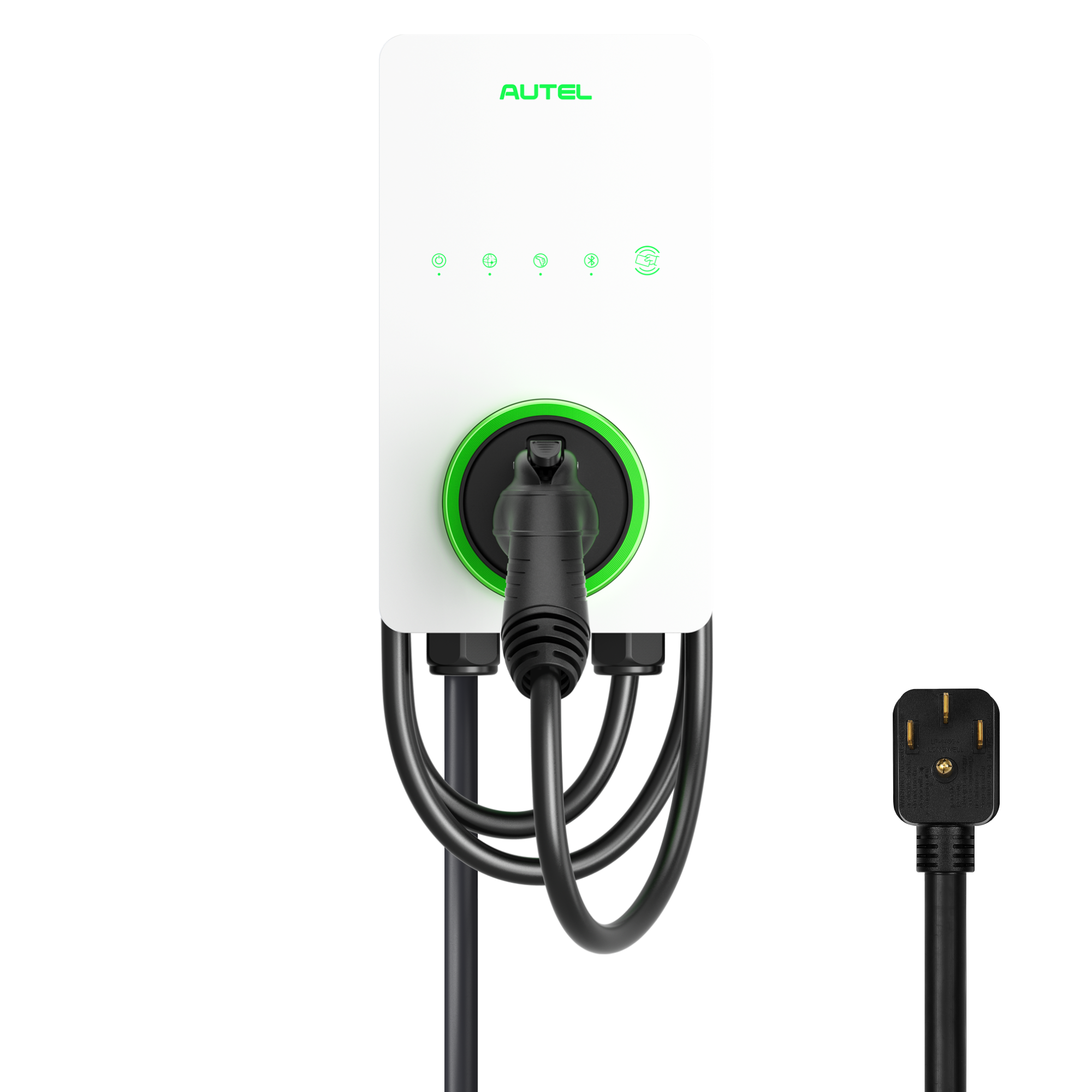
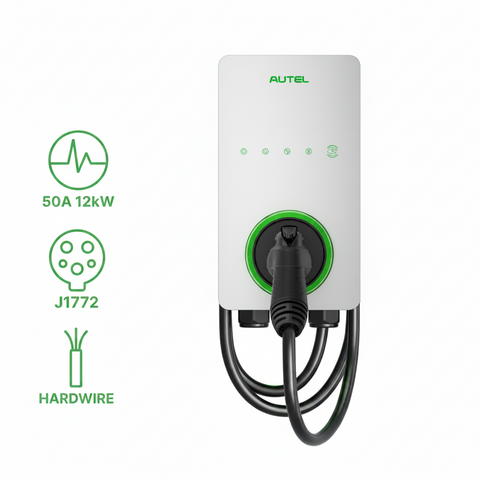
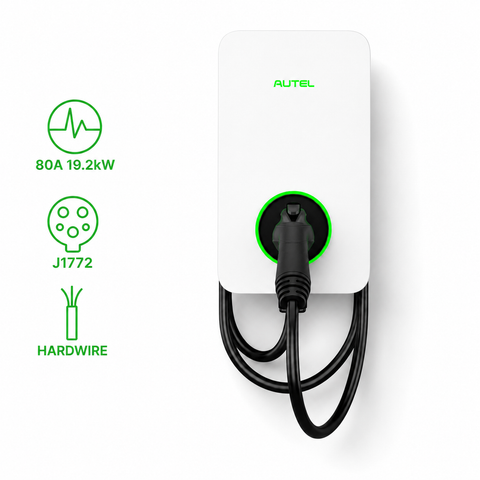
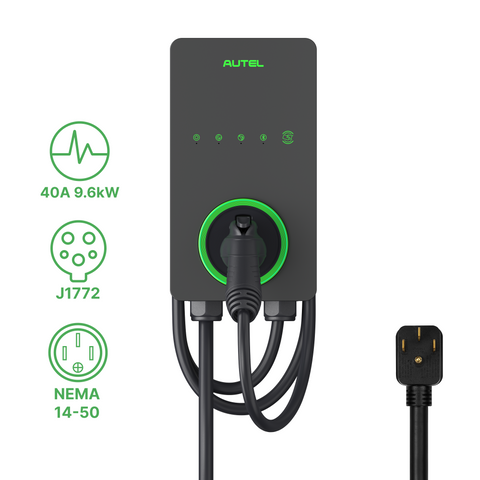
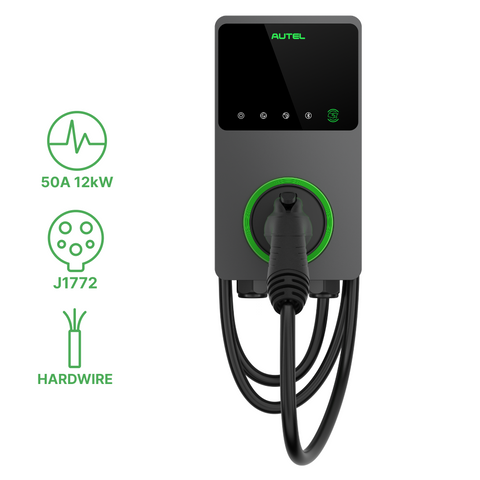
Today, the new Autel Single CT Home EV Charger makes it possible to safely install a full-speed 50A (12 kW) Level 2 charger on a capacity-constrained electrical panel—without replacing your breaker box. Here is how many amps a Level 2 charger actually uses, how NEC load management works, and how to save thousands on your installation.
How Many Amps Does a Level 2 EV Charger Use? (The NEC 80% Rule)
To understand why traditional chargers overload a 100 amp panel, you first need to ask: how many amps is a Level 2 EV charger, and how does an electrician size the circuit?
Most modern home Level 2 chargers operate at 240 volts and draw between 32 amps and 50 amps. Under the National Electrical Code (NEC), an EV charger is classified as a continuous load (running for 3+ hours continuously), which means the circuit breaker must be rated for 125% of the charger's maximum amperage (the NEC 80% rule):
-
A 32 amp (32A) EV charger requires a 40 amp breaker.
-
A 40 amp (40A) EV charger requires a 50 amp breaker.
-
A 48 amp (48A) EV charger requires a 60 amp breaker.
-
A 50 amp (50A) EV charger requires a 62.5A (70 amp) breaker.
On a 100 amp electrical panel, a traditional fixed-output 50 amp charger would claim more than half of your entire home's service capacity! When you add central air conditioning (30–40 amps), an electric dryer (30 amps), an electric range (40–50 amps), and a water heater (30 amps), a standard load calculation fails—forcing an expensive panel upgrade.
3 Ways to Charge an EV on a 100 Amp or 150 Amp Panel
|
Installation Option
|
Extra Panel Upgrade Cost
|
Max Charging Speed
|
Homeowner Verdict
|
|
1. Upgrade Main Electrical Panel
|
$3,000 – $8,000
|
50 Amps (12 kW)
|
Expensive, requires utility permits and weeks of delays.
|
|
2. Install a Low-Amp (16A–24A) Charger
|
$0 Extra
|
12–18 Miles/Hr
|
Too slow for large EV batteries or multi-EV households.
|
|
3. Autel Single CT Home EV Charger (50A)
|
$0 Extra Monitor
|
Up to 50 Amps (46 Miles/Hr)
|
Smartest Choice: Full 50A speed when appliances are off; auto-adjusts when household load rises.
|
How the Autel Single CT Home EV Charger Protects a 100A Panel
Under NEC Section 625.42 and Section 750.30, electricians can use an approved Energy Management System (EMS / EVEMS)—commonly known as Dynamic Load Management (DLM) or Dynamic Load Balancing (DLB)—to install a high-amperage charger on an existing panel without a service upgrade.
Instead of pulling a blind, fixed 50-amp draw during peak dinner hours, the Autel Single CT Home EV Charger uses two included wired CT sensors to monitor your whole-home electrical load in real time.
How Wired CT Load Management Works in Real Time

-
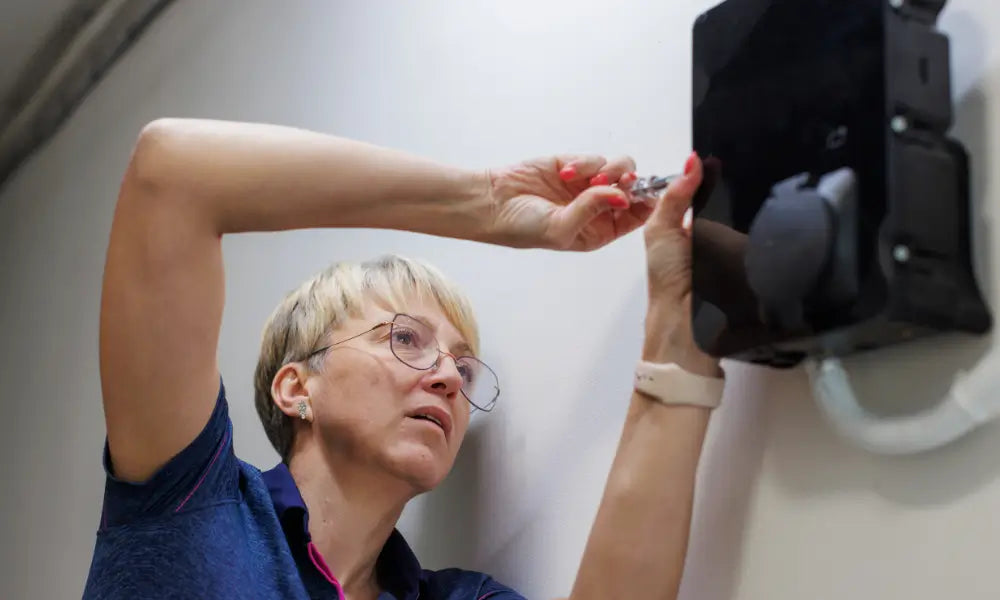
- Clamp-On Wired CT Sensors: Your qualified electrician clamps the two included wired CT sensors around your main service conductors inside the breaker panel—without modifying existing household circuit wiring.
- Direct-Wired Signal Monitoring: A dedicated 5-meter signal cable (extendable up to 30 meters) connects the CTs directly to the Autel Single CT Home EV Charger, monitoring total household amperage every second.
- Automatic Amperage Reduction During Peak Demand: If your family turns on the electric oven, dryer, and A/C at 6:00 PM, the Autel Single CT Home EV Charger automatically reduces EV charging amps so your total household consumption stays safely within your panel's limit.
- Full 50 Amp (12 kW) Speed When Demand Drops: As soon as those heavy appliances shut off at night, the charger automatically ramps back up to 50 amps (46 miles of range per hour)
What Size Breaker and What Gauge Wire for a 50 Amp Level 2 EV Charger?
When you hire a licensed electrician to hardwire a Level 2 charger like the Autel Single CT Home EV Charger, they will select the breaker size and copper wire gauge based on the maximum amperage setting:
|
Charger Amperage Setting
|
Output Power (@ 240V)
|
What Size Breaker for Level 2 EV Charger?
|
What Gauge Wire for Level 2 EV Charger?*
|
|
50 Amp (50A Max)
|
12.0 kW (~46 Miles/Hr)
|
70 Amp (or 65A) 2-Pole Breaker
|
4 AWG or 6 AWG Copper (THHN in Conduit)
|
|
48 Amp (48A)
|
11.5 kW (~44 Miles/Hr)
|
60 Amp 2-Pole Breaker
|
6 AWG Copper (THHN in Conduit)
|
|
40 Amp (40A)
|
9.6 kW (~37 Miles/Hr)
|
50 Amp 2-Pole Breaker
|
6 AWG or 8 AWG Copper
|
|
32 Amp (32A)
|
7.7 kW (~30 Miles/Hr)
|
40 Amp 2-Pole Breaker
|
8 AWG Copper
|
*\Note: Always consult a qualified electrician. Required wire gauge (such as 6 AWG THHN vs. Romex NM-B) depends on conduit use, terminal temperature ratings, and local electrical codes.
(For more details on amperage sizing, check out our guide on How Many Amps You Need for an Electric Car Charger.)
Frequently Asked Questions (FAQ)
1. Can my 100 amp electrical panel handle a 50 amp Level 2 EV charger?
Yes. While a traditional 50 amp charger would overload a 100 amp panel during peak appliance use, the Autel Single CT Home EV Charger includes two wired CT sensors for Dynamic Load Management. It automatically lowers charging current when household demand rises and restores full 50A speed when demand drops—helping you avoid a $3,000–$8,000 panel upgrade.
2. Why is a wired CT sensor better than a wireless energy monitor?
Wireless load monitors rely on home Wi-Fi; if your garage Wi-Fi drops offline, load management can fail. The Autel Single CT Home EV Charger uses a direct-wired CT signal cable (plus Wi-Fi, Wi-SUN, Bluetooth, RS-485, and wired Ethernet for app features) so panel overload protection works 24/7 without relying on wireless CT power supplies.
3. Does the Autel Single CT Home EV Charger support solar charging, RFID, and NACS/J1772?
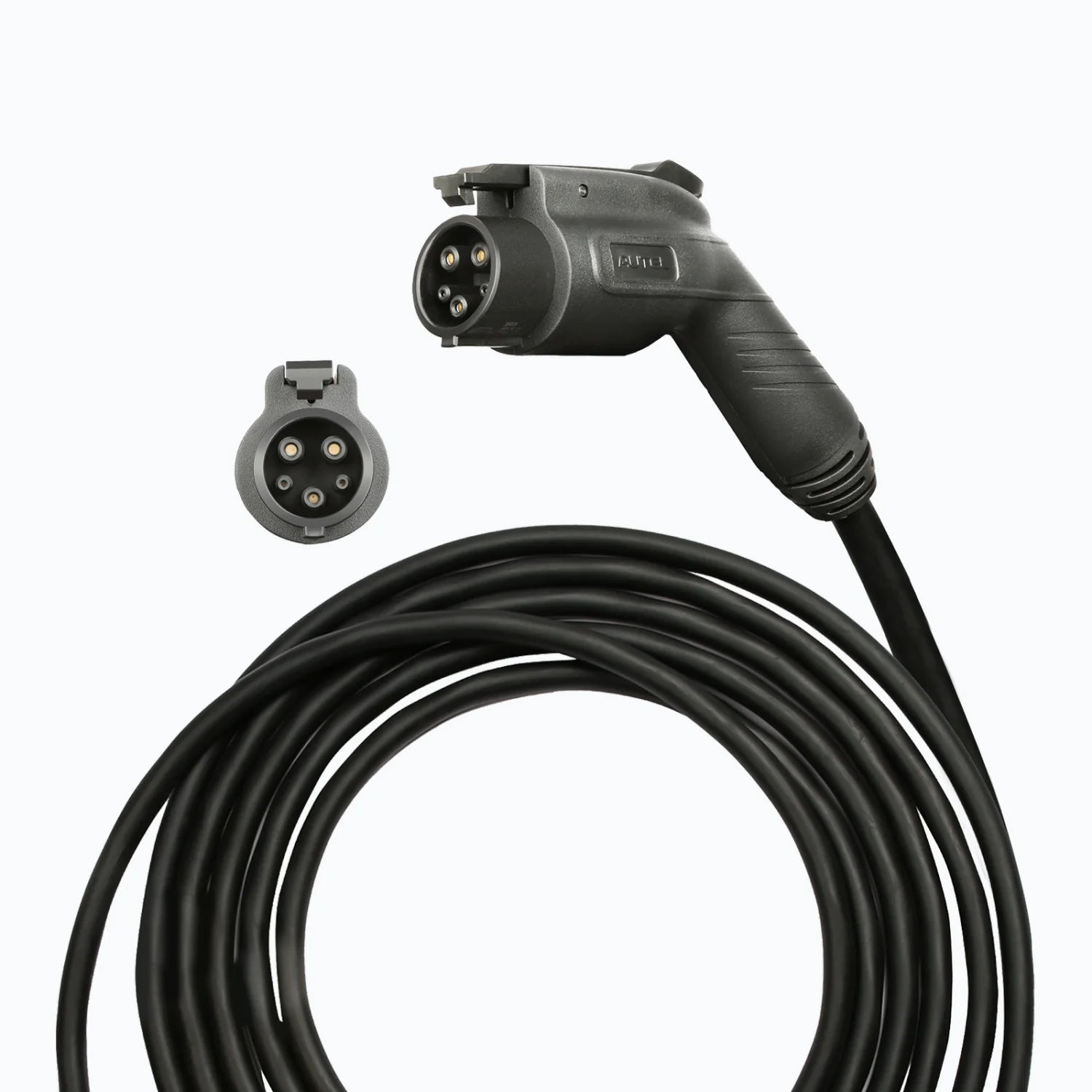
Yes! You can order the Autel Single CT Home EV Charger with either a native NACS connector (for Tesla) or a SAE J1772 connector. It supports RFID access control, and its dual wired CT sensors enable Solar Surplus Charging—automatically routing excess rooftop solar power into your EV.
Upgrade Your Home Charging—Not Your Breaker Box
Don't let a 100 amp or 150 amp panel stop you from getting 50-amp charging speed at home.
👉 Shop the Autel Single CT Home EV Charger (50 Amp NACS & J1772) or read our Complete Autel Single CT Home EV Charger Review to explore all features and specifications!