




Summary: Freezing temperatures temporarily slow down EV battery chemistry, forcing your car to spend energy warming the battery pack before accepting full charging power. By plugging in right after driving, scheduling charging to finish before departure, and using a 50A Level 2 charger with a cold-weather cable, you can keep winter charging fast and effortless.
When winter temperatures drop below freezing, many EV drivers notice two frustrating changes: shorter driving range and noticeably slower home charging speeds.
Fortunately, slower winter charging does not mean anything is wrong with your car or your home charger. Understanding how cold temperatures affect EV batteries—and making a few simple adjustments to your home charging routine—will help you charge faster and preserve more range all winter long.
Why Does Cold Weather Slow Down EV Charging?
Electric vehicle lithium-ion batteries work best in a comfortable temperature window—roughly 60°F to 80°F (15°C to 27°C).
When your EV sits overnight in freezing temperatures, the liquid electrolyte inside the battery cells becomes thicker, increasing internal resistance. To protect the battery from long-term degradation, your car's Battery Management System (BMS) automatically throttles incoming charging speed and diverts the first portion of electricity to run internal battery heaters. Once the pack warms up, charging speed ramps back up to normal.
5 Practical Tips to Charge Your EV Faster in Winter
1. Plug In Immediately After Driving
The easiest way to speed up winter charging is to plug in as soon as you pull into your garage or driveway. Driving naturally generates heat inside the battery pack. Charging while the battery is still warm lets your EV accept full Level 2 power right away instead of wasting time and electricity reheating a cold pack hours later.
2. Schedule Charging to Finish Right Before You Leave
Instead of finishing your charge at 2:00 AM and letting the battery freeze again before your 7:30 AM commute, use the Autel Charge App or your vehicle's departure timer to schedule charging so it finishes 15 to 30 minutes before you leave.
- Your battery stays warm from the charging session, giving you stronger regenerative braking and better range from mile one.
- You can still align your schedule with overnight Off-Peak Time-of-Use (TOU) utility rates to save on winter electricity bills.
3. Keep Your EV Plugged In Overnight
Even when your battery reaches your target charge limit (such as 80%), leaving your EV plugged into a Level 2 charger allows the car to draw wall power—rather than battery range—to maintain battery temperature and preheat the cabin before you step outside.
4. Upgrade from Level 1 to a High-Powered Level 2 Charger
In sub-freezing weather, a standard 120V Level 1 wall outlet (1.4 kW) often barely produces enough power to run the car's battery heater, leaving almost zero leftover energy to actually add miles.
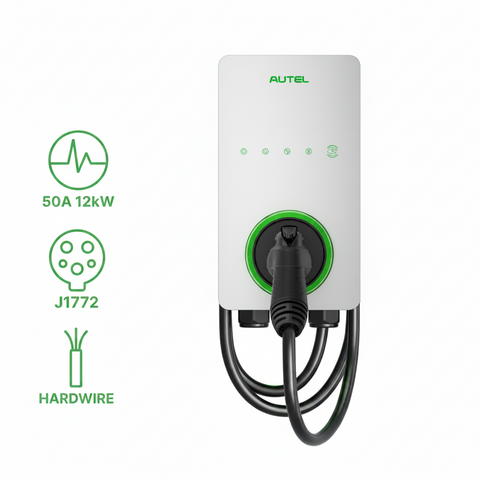
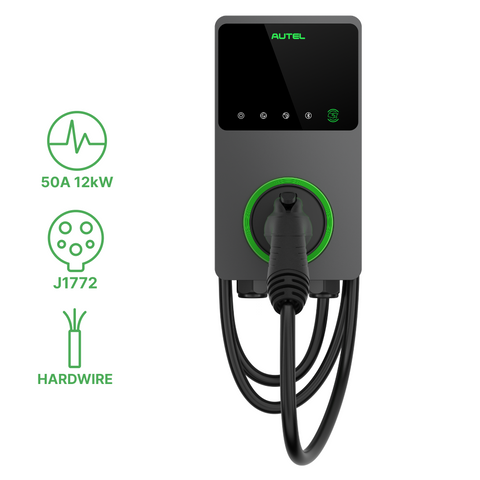
A 50A (12 kW) Level 2 home charger provides plenty of overhead power to warm the battery pack rapidly and still adds up to 46 miles of range per hour, cutting winter charging time dramatically.
5. Use a Cold-Weather Rated Charger and Cable
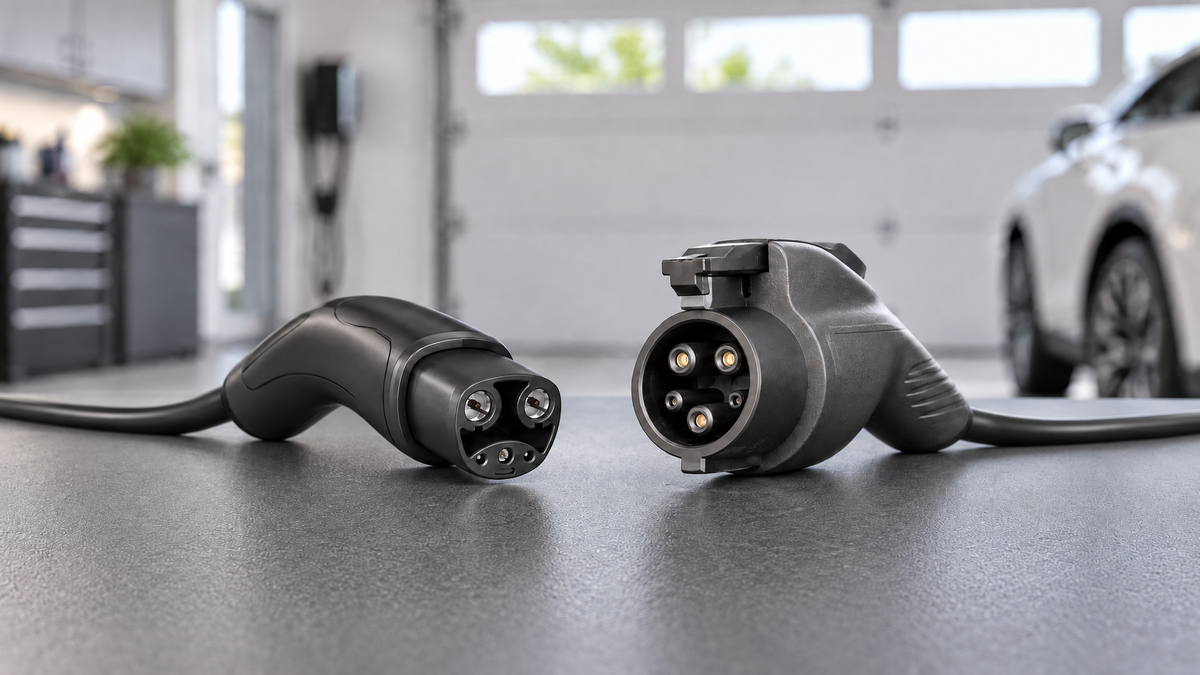
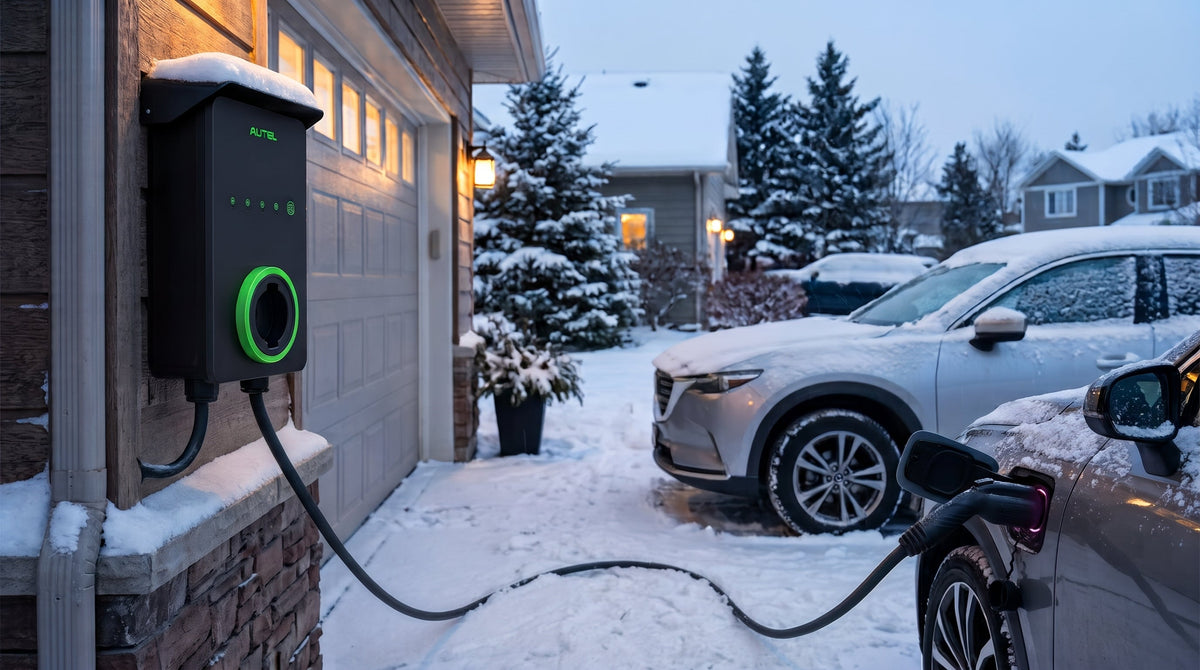
If you park outdoors or in an unheated garage, hardware quality matters in winter. Cheap charging cables turn into stiff, frozen garden hoses at 20°F, making them difficult to plug in or coil back onto the wall.
Look for a home charger engineered for harsh winter climates:
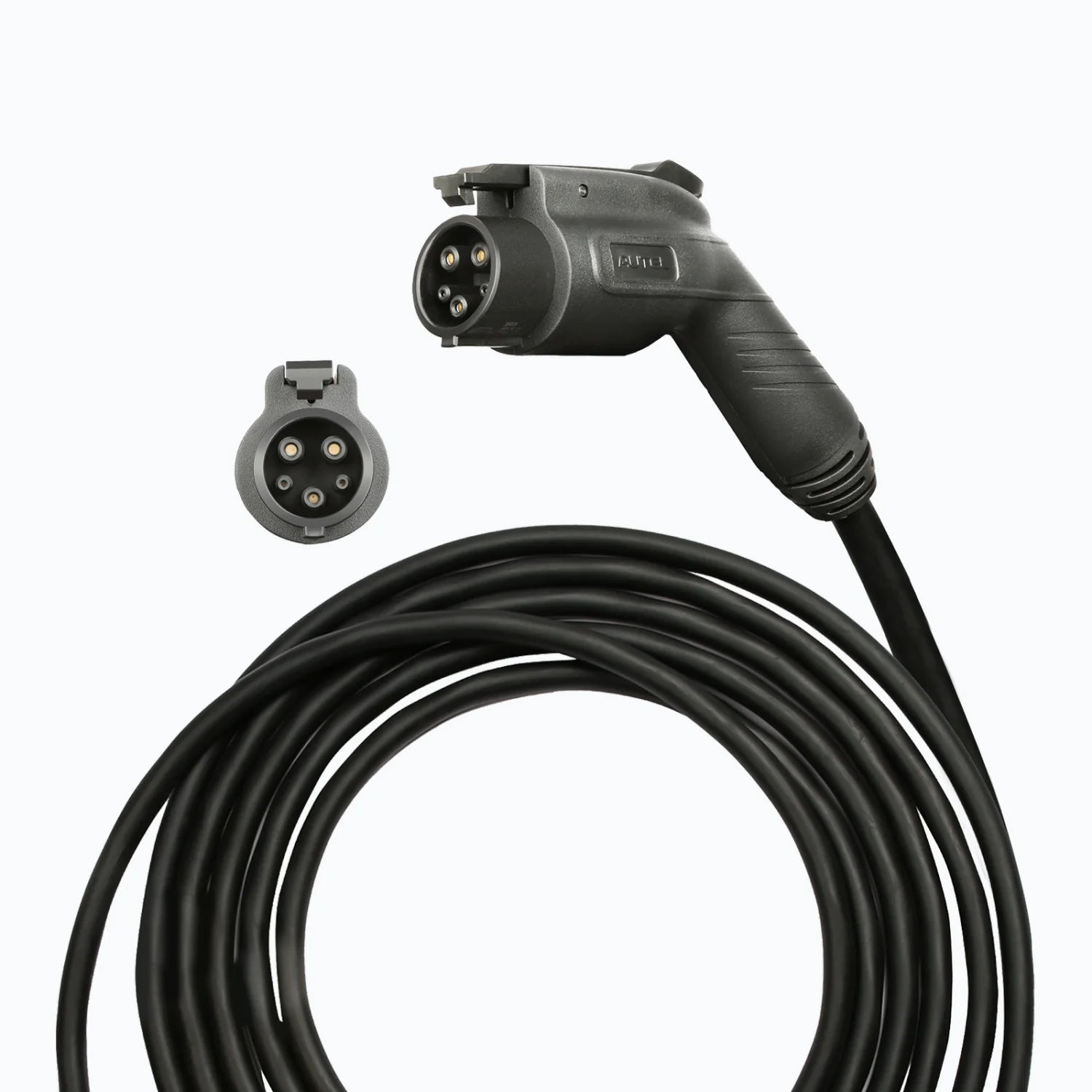
- Sub-Zero Flexible Cable: Autel's upgraded 25-foot charging cable stays supple and easy to handle down to -40°F (-40°C).
- Weatherproof Enclosure: A NEMA 4 weather-resistant rating protects the charging station against freezing rain, sleet, and heavy snow.
Built for Sub-Zero Winters and Year-Round Savings
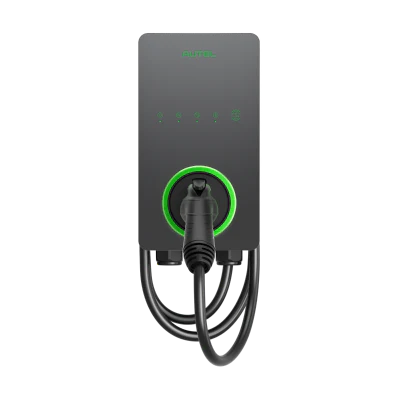
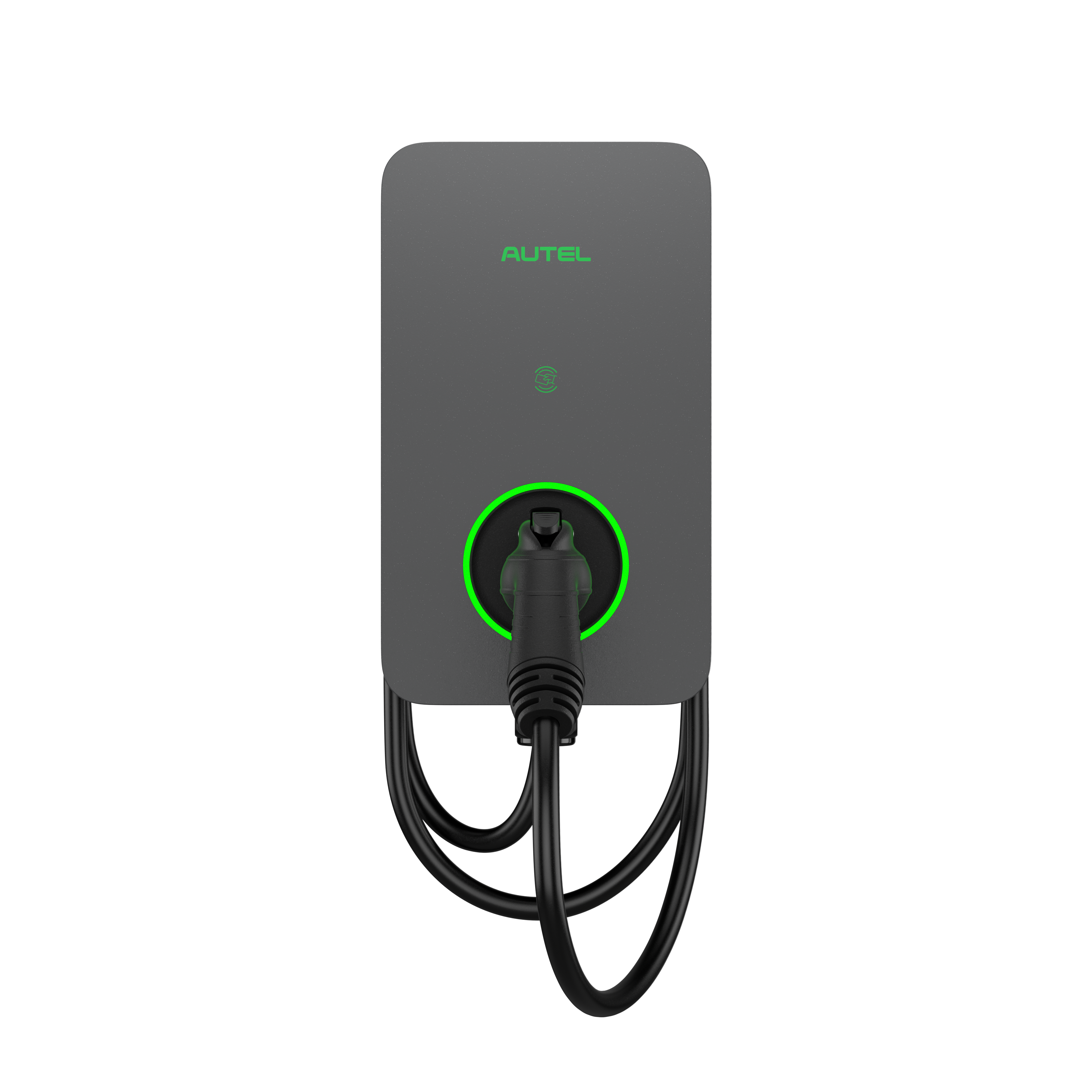
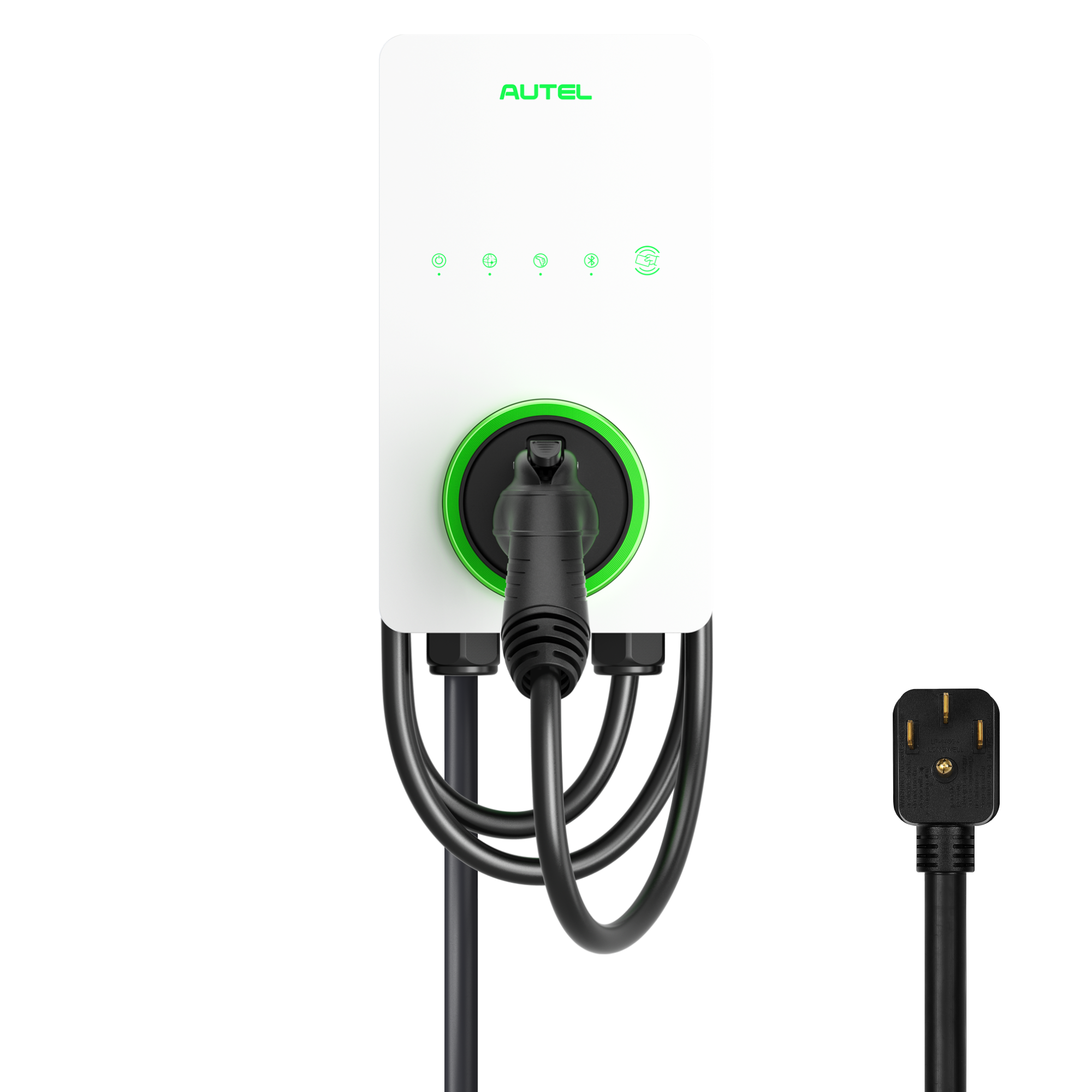
Winter weather shouldn't slow down your daily routine. Whether you are charging indoors or in a snowy driveway, the Autel Single CT Home EV Charger combines 50A (12 kW) speed, a 25-foot
-40°F flexible cable, UL-certified safety protections, and smart Autel Charge App scheduling—all backed by an industry-leading 5-year warranty.📖 Want to cut your utility bills year-round? Read our guide: How to Charge Your EV with Solar Panels at Home